

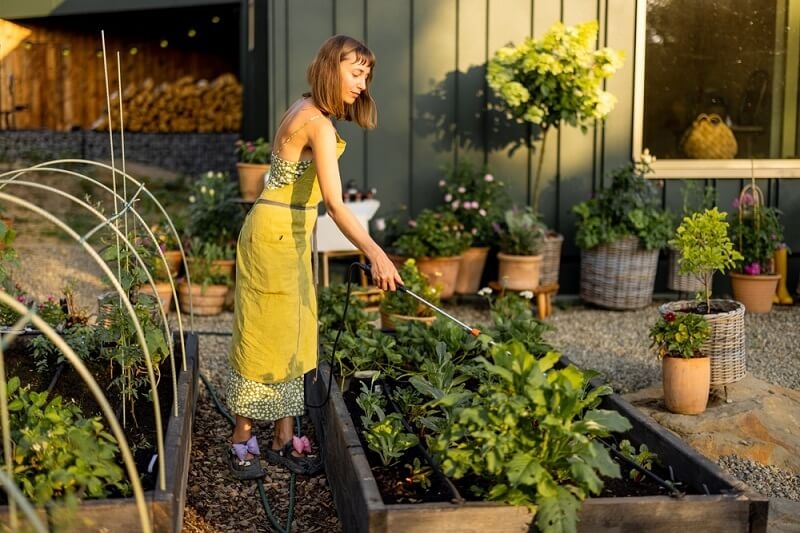
A healthy garden doesn’t happen by accident. It’s built slowly, week by week, season by season, through attention, patience, and a little trial and error. Outdoor plants change with the weather, react to your routines, and sometimes surprise you when you least expect it. This blog walks through outdoor plant maintenance in a practical, realistic way. You’ll learn how seasonal plant care works in the real world, how pruning and watering habits shape plant health, and how small garden maintenance choices can pay off all year long. Think of this as a friendly walk through your yard, not a lecture.
Every healthy garden starts with consistent outdoor plant maintenance. Before worrying about blooms or harvests, it helps to understand the basics that keep outdoor plants steady through changing conditions.
Plant care gets easier when you work with nature instead of against it. USDA hardiness zones matter more than most people realize. They help explain why some plants sail through winter while others struggle.
Soil plays an equally big role. Clay-heavy soil holds water longer, sandy soil drains fast, and loamy soil sits comfortably in between. A simple soil test kit from brands like Luster Leaf or Rapitest can reveal a lot.
You don’t need a complicated schedule. A short weekly walk through your garden does wonders. Look at leaves. Touch the soil. Notice changes.
Garden maintenance works best when it becomes routine rather than a chore. Ten minutes here and there beats hours of rushed work later.
Seasonal plant care isn’t about strict rules. It’s more like adjusting your pace as the year unfolds. Each season brings its own priorities and pressures.
Spring feels hopeful, doesn’t it? Plants wake up, and so do gardeners.
This is the time to clear winter debris, loosen soil gently, and check for early signs of disease. Feeding outdoor plants lightly helps kickstart growth without overwhelming young roots.
Summer is when gardens show both strength and weakness. Heat, sun, and evaporation push plants hard.
Water deeply but less often. Morning watering works best because it limits evaporation and disease. Mulch becomes your quiet hero here, keeping roots cool and soil moist.
Fall feels calmer, but it’s busy in its own way. Plants begin storing energy, and your job shifts toward preparation.
Cut back tired growth, remove diseased leaves, and refresh mulch. It’s also a great time to plant perennials since roots settle nicely before winter.
Winter care is about protection, not growth. Many outdoor plants rest during this period, even if they don’t look lifeless.
Cover sensitive plants, reduce watering, and avoid disturbing frozen soil. Honestly, sometimes the best care is knowing when to leave things alone.
Watering seems simple, yet it’s one of the most common trouble spots in plant health. Too much care can be just as harmful as neglect.
Plants talk, just not loudly. Wilting leaves, dull color, and dry soil usually signal thirst. Yellowing leaves or mushy stems can point to excess water.
Stick your finger into the soil a few inches deep. If it’s dry there, watering makes sense.
Summer annuals need frequent checks. Established shrubs often need less attention. Native plants usually handle drought better, which is why many gardeners lean on them more now.
Pruning can feel intimidating. Cutting a plant on purpose? It seems backward. Yet smart pruning supports stronger growth and better shape.
Timing matters. Spring-flowering shrubs often bloom on old wood, so pruning too late can remove flowers. Summer bloomers usually prefer early spring pruning.
Dead, damaged, or crossing branches can be removed anytime. That’s one of the easiest plant pruning tips to remember.
Sharp, clean tools reduce stress and disease spread. Hand pruners from Fiskars or Corona are reliable choices.
Cut just above a node and avoid tearing bark. Small details add up over time, even if they feel slow in the moment.
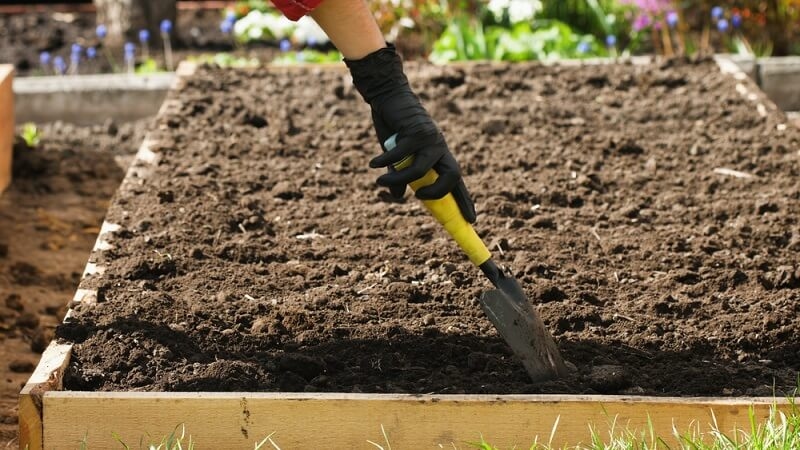
Healthy soil quietly supports everything above it. When soil works, plants follow.
Not every plant needs frequent feeding. Some outdoor plants thrive with compost alone. Others benefit from slow-release fertilizers applied sparingly.
Organic compost improves soil texture and feeds beneficial microbes. It’s less flashy but incredibly effective.
Compacted soil limits roots and water movement. Aerating garden beds and adding organic matter helps soil breathe.
Garden maintenance isn’t always visible. Sometimes the most important work happens underground.
Catching issues early saves time and stress later. Most plant problems don’t appear overnight.
Chewed leaves, sticky residue, or unusual spots deserve attention. A quick rinse with water or a mild soap solution often handles minor pests.
Avoid harsh chemicals unless absolutely needed. Healthy gardens tend to balance themselves when given the chance.
Ladybugs, bees, and birds all play a role in plant health. Planting flowers like coneflowers or milkweed invites helpful visitors.
You know what? A slightly imperfect garden often supports stronger ecosystems.
Gardening isn’t about perfection. It’s about consistency, observation, and small adjustments.
Outdoor plants respond to care that feels steady rather than rushed. Miss a week? It happens. Come back gently and keep going.
Weather patterns shift. Rainfall changes. Plants grow older. What worked last year may need tweaking this year.
That’s not failure. That’s gardening.
There’s something grounding about tending plants. The quiet, the smells, the small wins. Even weeding can feel meditative on the right day.
A healthy garden grows from attention, not pressure.
Outdoor plant maintenance doesn’t demand perfection or endless effort. It asks for awareness, timing, and a willingness to adapt. By understanding seasonal plant care, using thoughtful pruning techniques, and supporting soil and plant health, you create a garden that handles change with resilience. Garden maintenance becomes less about fixing problems and more about guiding growth. Over time, your outdoor space reflects the care you give it, season after season.
Most outdoor plants prefer deep watering once or twice a week. Weather, soil type, and plant variety all affect the schedule.
Yes, light pruning helps maintain shape and remove unhealthy growth. Not every plant needs heavy pruning annually.
Spring and fall work best for soil improvements. Cooler temperatures help organic matter break down gradually.
Absolutely. Choosing native plants and building simple routines reduces long-term work while supporting plant health.
This content was created by AI