

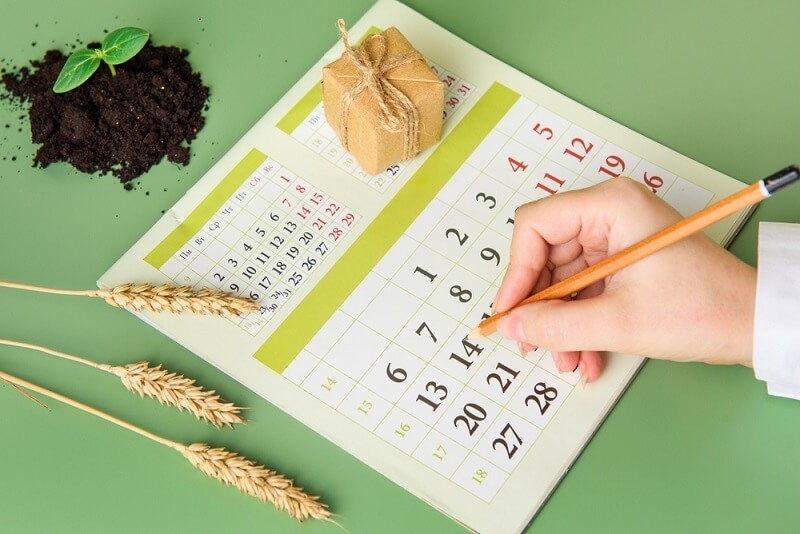
Sometimes success in gardening does not depend more on the effort but rather on the right timing. Your growth, yield, and plant health can be greatly affected if you plant too early or too late. Hence, understanding a seasonal planting calendar is very beneficial to home gardeners.
This manual is an easy way to understand how to divide your planting activities through the year, what weather factors you need to consider for your climate, and how a simple calendar can keep your garden healthy all year round.
Temperature, daylight, and soil conditions greatly affect plants. Each plant has its own ideal environment for growth. With the help of a seasonal planting calendar, you can lessen the stress of your plants and increase the final results. Seeds get to germinate under better conditions, plants become mature on time, and there is a greater consistency in harvesting.
Gardening based on the seasons also offers time and work-saving advantages. Because plants thrive in conditions that they are naturally adapted to, you are less likely to have to struggle with pests, diseases, or weather problems, thus saving you time and effort. As a further benefit, this method promotes the gradual improvement of the soil and the attainment of a more balanced garden.
Most gardens abide by four main planting seasons, which are spring, summer, fall, and winter. The plants that each of these seasons can sustain are determined by their temperature tolerance and growth rate.
Typically, spring is the best time for the growing of cool-weather crops and flowers of various kinds. The summer period is deemed best for heat-loving vegetables and fast-growing plants. Another round of cool-weather planting is the main activity of fall, whereas winter is more often for mild-climate gardens or indoor growing.
Your local climate will determine the exact time, but the seasons and their order will always remain the same. Frost dates, rainfall, and hours of sunlight assist in specifying when each season really starts and ends in your locality.
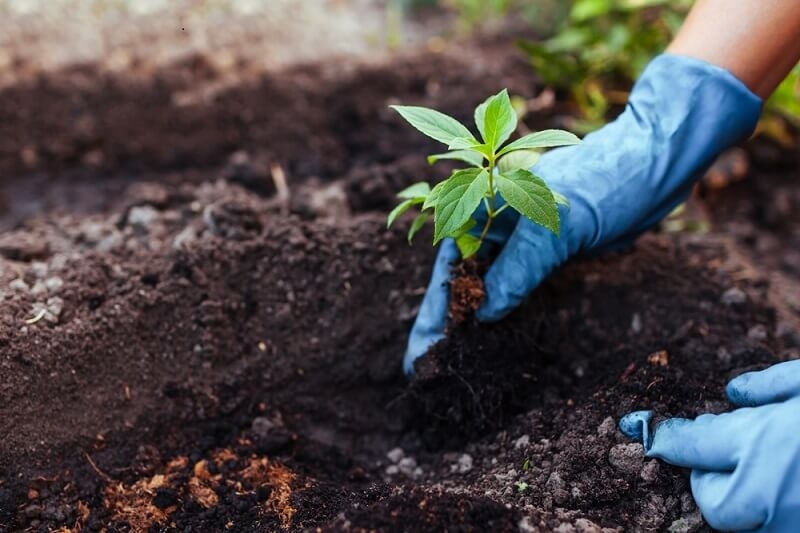
Spring is the season of regeneration and is also the busiest period in the garden. It is during this time that the Earth gets warmer, daylight continues to lengthen, and various plants revive from their sleep. Preparing beds, adding compost, and sowing seeds are typical activities of this period for gardeners.
Leafy greens, peas, carrots, and radishes are some of the plants that can be successfully grown in early spring. A number of flowers and herbs also thrive at this time. A carefully thought-out garden calendar is useful in keeping track of the frost dates so that extremely cold snaps will not harm the tender plants.
The planting of spring is the planting of later harvests. Strong beginnings in this period usually mean bigger returns later on.
Summer is the time for warmth and long days, hence, ideal for heat-loving crops. Tomatoes, peppers, beans, squash, and corn are among the most popular choices. The importance of knowing when to plant these crops is mainly due to the fact that, on one hand, if the planting is done too early, the growth of the plants will be slow, and on the other hand, if the planting is done too late, the harvest period will be short.
Water management is something that cannot be neglected in summer. Both mulching and regular watering have the effect of making the roots less vulnerable to scorching rays of the sun. The use of a clear planting schedule is a great tool in realizing that succession planting is being carried out on time; thus, gardeners can have continuous harvests and not be faced with the problem of all their crops maturing at the same time.
Fall is a season that is often ignored; however, it has many wonderful gardening possibilities to offer. The lowering of the temperature helps the plants to be less stressed, and the crops that are planted in this season can grow for as long as the arrival of frost is taken into consideration. Root vegetables, leafy greens, and some herbs are the best examples of such plants.
A seasonal planting calendar is an instrument that shows us the crops that can mature before the first frost and those that are able to endure light cold. Planting in the fall will also help to improve the health of the soil since the beds will be less compacted and will be easier to work.
Many of the gardeners agree that the taste of their fall produce is much better and sweeter due to the low temperatures during the growing period.
For areas that experience cold weather, the winter season is mostly spent preparing the garden for the next growing season. On the other hand, regions with mild weather can still grow crops such as garlic, onions, and other hardy greens. Many people also choose to grow plants indoors or in greenhouses during the winter.
Winter is the perfect time for gardeners to take a look at their notes, make necessary amendments to the garden calendar, and plan for changes in the upcoming year. One can also order seeds in advance to be sure of being ready when the planting season kicks off.
Though general seasonal guidelines may be of some help, the local climate is what makes the biggest difference. The dates when frosts occur, the patterns of rain, and the range of temperatures may be very different even in neighboring areas. Therefore, gardeners ought to modify their seasonal planting calendar in accordance with their region.
One of the characteristics of warm areas can be longer growing seasons and even more than one planting cycle. On the contrary, colder regions may require the seedlings to be started indoors or to choose only the varieties with the shortest seasons. Knowing your zone will help you decide the exact times when planting each crop will bring maximum yields.
Composing your own planting timetable is a good way to keep gardening activities under control and lower the stress level. Its main elements are your desired crops and their preferred planting seasons. On the next step, you should analyze the climatic conditions of your area and then compare them with the seasonality of the crops you have chosen.
By giving different planting dates on the calendar, you are providing yourself with continuous harvesting and making a more efficient use of your garden space. Having all your tasks listed in a vegetable garden planner allows you to monitor the results and see which aspects need further improvement every year.
Eventually, your schedule will turn out to be an indispensable instrument tailored to the unique conditions of your garden.
The main secrets for achieving seasonal gardening success are the skills of observation and readiness to adapt.
The constant use of organic matter not only nourishes the soil but also keeps it in a good state throughout the whole year.
Horticulture would be less of a hassle and more delightful if you were to harness the natural processes instead of resisting them.
A significant advantage of owning an efficient seasonal planting calendar is that it makes the various planting seasons very visible to you; consequently, you are able to regulate your time more efficiently, and it also helps you to grow healthier plants.
A seasonal planting calendar or guide indicates the most suitable planting times for various crops throughout the year, taking into account seasonal conditions and climate.
To determine the best timing for your region, consult local frost dates, climate zones, and gardening resources.
Indeed, some crops can be planted in both spring and fall according to their temperature tolerance and growth duration.
Seasonal gardening is indeed an easy way of farming that is suitable for beginners, as it makes the work less complicated and the chances of success higher for new gardeners.
This content was created by AI