

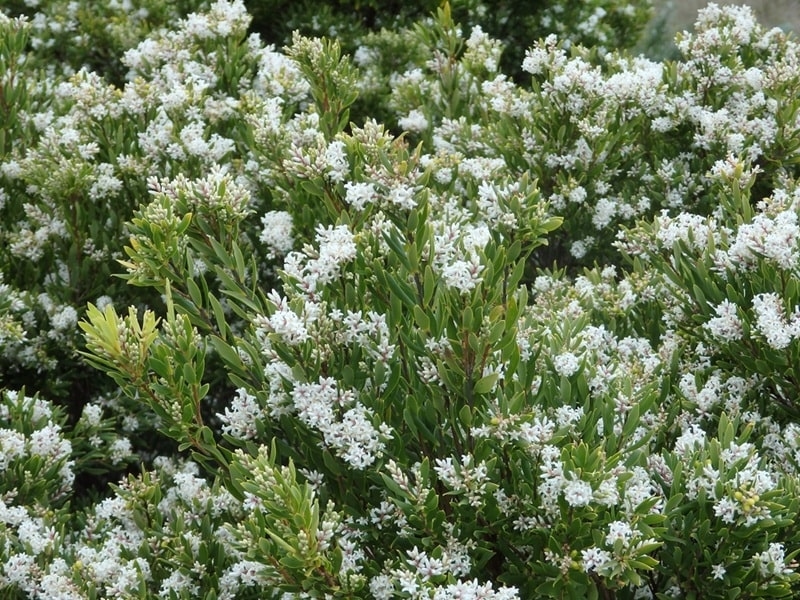
Flowering shrubs are a common sight in many American landscapes. Whether it is a front-yard foundation planting or a border in the backyard, flowering shrubs can add beauty and functionality. However, in order for these plants to bloom abundantly every year, it is necessary that more than just watering is done.
Whether hydrangeas are planted in New England, azaleas are planted in the Southeast, or lilacs are planted in the Midwest, proper care techniques for blooming bushes will show dramatic results. It includes all aspects of bloom care that U.S. gardeners should know to grow larger flowers and stronger, healthier bushes.
Now, before we proceed to the actual care procedures of flowering shrubs, it’s a good thing to learn more about flowering shrubs' growth patterns. There are shrubs that bloom in old wood, or those that bloom in new wood. This will give them hints about pruning, caring, and even fertilizer application.
Some common flowering shrubs that tend to flower on older wood include lilac, forsythia, and certain types of hydrangeas. Those that tend to flower on new wood include butterfly bushes, spirea, and panicle hydrangeas. This particular fact is important to remember as it can help avoid the shrub pruning of flower buds.
A healthy flowering shrub goes through a definite cycle: state of dormancy, growth of leaves, development of buds, blooming, and recovery. A flowering shrub care strategy plays an important role in promoting and supporting each stage.
Well-drained soil with organic matter is the key to successfully growing flowering shrubs. Most flowering shrubs will thrive in soil that is well-drained and has lots of organic matter. This may not be the case in some areas of the U.S.
Adding compost enhances drainage, nutrient supply, and biotic growth. In the case of landscape shrubs around homes, appropriate soil amendment practices also protect against root rot and nutrient deficiencies. Soil analysis using extension organizations can be helpful in testing pH levels and nutrient deficiencies.
Flowers and shrubs can enjoy slightly acidic soils, such as the Azalea, Camelia, and Rhododendron. If the soil is acidic or basic, pH can be corrected to optimize ornamental development.
Watering is an important aspect of flowering shrub maintenance, particularly within the first two years of growth. Deep but less frequent watering promotes good root development, which in turn sustains heavy flowering.
Most flowering shrubs require an average of 1 inch of water on a weekly basis. This should include rainfall. In the hot summer months or during drought seasons in the U.S., it becomes necessary to provide irrigation. For landscaping shrubs, drip irrigation or hose pipes are the best method of irrigation.
Adequate watering also helps with proper bloom maintenance. Drought stress during the budding stage may lead to reduced blooms or smaller blooms. Mulching around the plants will help retain water and lower the soil temperature.
Fertilization is an important aspect in the care of flowering shrubs, but over-fertilization can prove harmful. Too much nitrogen leads to leaf development at the expense of flowers in garden flowers and flowering shrubs.
Shrub pruning is one of the most misunderstood jobs when it comes to flowering shrubs. Incorrect pruning can result in the loss of flowering buds or even flowering for the given year.
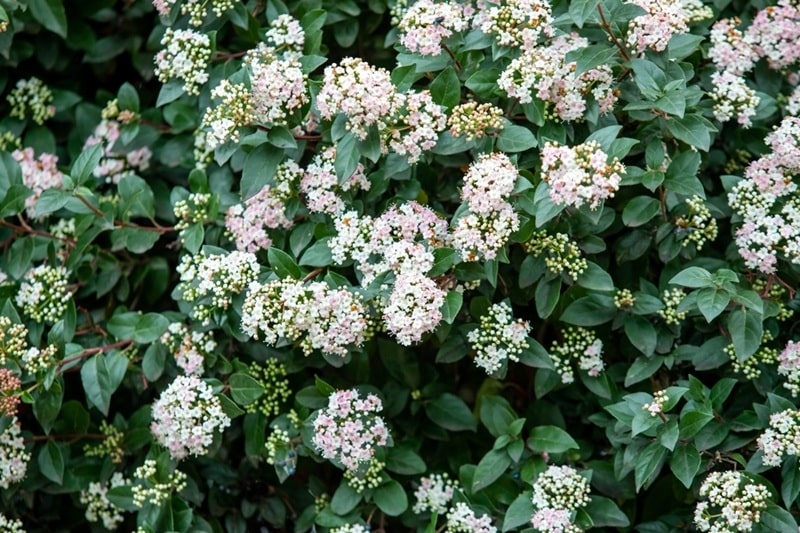
Taking care of a bloom doesn't end with blooming. Deadheading encourages some blooming shrubs to bloom again and prevents some energy from going to seed production to avoid wasting nutrients. Many types of shrubs can benefit from deadheading. Regular inspection enables the early detection of any issues, and therefore, there will be continuous blooming and healthy flowers in the garden.
Pest management, or integrated pest management practices, is used for the care of flowering shrubs in gardens across the U.S. Common pests that may affect flowering shrubs include aphids, spider mites, and scale insects.
When shrubs have to compete for space, they are also vulnerable to infections and pests. Therefore, plant care and pruning are essential. Flowering shrubs that are in good health are less likely to contract diseases. Hence, plant pruning is one aspect of plant care.
When treatment is needed, start with the least toxic alternatives, such as insecticidal soaps or neem oil. To avoid harming beneficial insects and landscape shrubbery, follow all instructions meticulously.
Each season has its own need. In spring, it is fertilizing, pruning new wood bloomers, and observing bud development. The care during summer involves watering, mulching, and taking care of blooms.
Fall blooming shrub maintenance also involves limiting fertilizer, removing fallen leaves, and getting plants ready for the coming winter. Winter protection may also be required for landscape shrubs in cold climates, such as burlap coverings.
Regular seasonal maintenance is further guaranteed to promote many flowers every year.
Flowering shrubs are very important to landscaping. This is especially where shrubs are planted together with flowers. This ensures that there are levels that have aesthetic appeal. Additionally, flowers and shrubs act as a means for plants to get their required nutrients.
Thoughtfully placed, pruning requirements can be minimized, which allows flowering potential to be maximized.
Mismanagement with shrubs involves improper pruning, such as pruning old-wood bloomers at the wrong time. Another example is overwatering, resulting in root rot and failure to flower.
Lack of care for soil and overgrowth of landscape shrubbery also dampens air circulation, thus making them prone to diseases. Such problems can, however, be averted through regular flowering shrub care practices.
Mistakes can help gardeners learn and then improve their gardening technique to get better results.
Spending time on proper care of flowering shrubs will make a big difference, as they will grow with bigger flowers, be healthier, and require less maintenance. Properly taken care of flowering shrubs will increase property value, add to curb appeal, and help with pollination.
With smart shrub pruning, bloom care, and soil care, gardeners will be able to enjoy blooming flowers in their gardens and hardy landscape shrubs in the years to come. With knowledge and practice, flowering shrubs can easily be one of the most enjoyable and rewarding additions to any garden in America.
Flowering shrubs generally require at least 1 inch of water each week, either from irrigation or rainfall. However, with regard to the extreme heat during summer, watering these plants requires watering deeply to ensure good flowering performance. This is particularly important during the hot summer days.
Shrub pruning varies depending on whether the plants bloom on the older or new wood, which has a direct impact on blooming. Old-wood plants must undergo pruning immediately after blooming, whereas new-wood plants require pruning during the late winter or early spring season as part of flowering bush maintenance.
Not all flowering shrubs need to be fertilized annually, even if they are established in the yard. This applies to established flowering shrubs in the landscape growing in well-nourished soil. This can help in testing the soil for nutrient levels.
This content was created by AI