

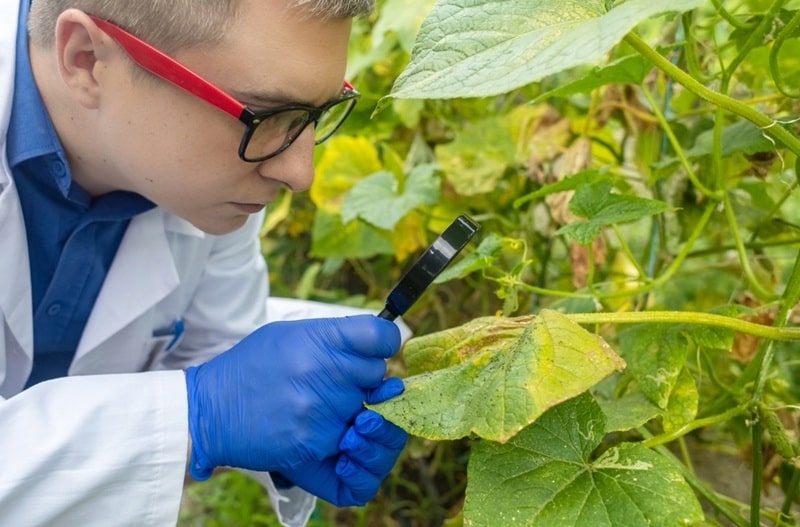
Gardening looks so peaceful from the outside, doesn’t it? Pretty leaves, blooming flowers, that calm feeling of stepping into your own little green world. But any gardener knows there’s always a tiny bit of chaos hiding under the soil. One day your plant looks perfect, and the next… brown spots. Wilted stems. Strange fuzz that looks like it doesn’t belong. And suddenly you’re squinting at Google images going, “Wait, is that normal? Did I kill it?”
Relax. Every gardener has had that panic moment. Keeping plants healthy isn’t about perfection. It’s about understanding what they need and catching problems early. A little know-how goes a long way, and preventing trouble is always easier than fixing it later.
Let’s break down the practical stuff in a calm, friendly way — exactly what new and home gardeners wish someone had told them earlier.
This section on plant disease prevention is where things start to click. Prevention is not a big, complicated checklist. It’s more like building a habit — noticing small things and making tiny changes. Simple actions like watering at the base, spacing plants properly or cleaning tools sound boring, but wow, they work wonders.
Think of it like dental care for plants. You brush so you don’t get cavities. You prevent so they don’t get sick. Done right, your plants stay vibrant and resilient, and you stop stressing over every yellow leaf.
Before jumping into fixes, it helps to understand the drama behind the scenes. Plant diseases usually sneak in when one of three things goes wrong: moisture stays too long, airflow is poor or the soil becomes a breeding ground for pathogens.
Sometimes it’s a fungus. Sometimes it’s bacteria. Sometimes it’s you overwatering because the plant “looked thirsty.” It happens.
Most common diseases like powdery mildew, leaf spot or root rot thrive in damp, crowded areas. So if your plant’s leaves never dry or if the bed is overpacked, you’re unknowingly inviting problems. Knowing this helps you spot early warning signs instead of getting surprised later.
Airflow sounds fancy but it’s simply giving plants room to breathe. Whether you’re growing herbs on a balcony or tomatoes in your yard, don’t pack everything too close. Without airflow, moisture sticks around, inviting fungal infections plants absolutely love.
If your leaves often look wet or crowded, trimming back a bit helps more than you think. Even lifting a plant slightly or shifting a pot to the side makes a difference.
Water is essential, but too much water? That’s the fast lane to root rot. Many gardeners water because it “feels right,” not because the plant needs it. A simple finger test — checking the top inch of soil — beats guesswork any day.
Try watering early in the morning so the leaves dry during the day. Wet foliage overnight increases the risk of all sorts of weird diseases.
With good watering habits, a lot of plant care tips fall into place — consistent moisture, healthier roots, better growth and far fewer surprise infections.
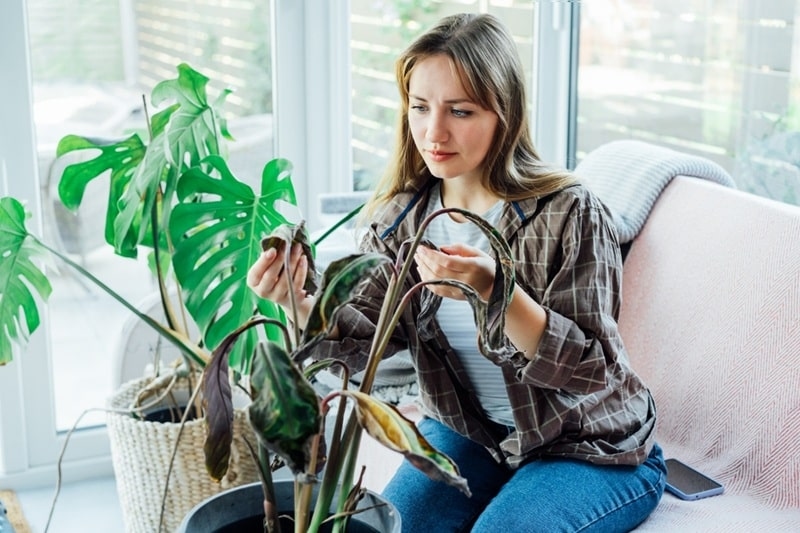
People think diseases only attack leaves, but honestly, the real action begins underground. Good soil is alive with beneficial microbes, organic matter and proper drainage. If your soil clumps, stays soggy or drains too fast, your plants fight an uphill battle.
Mixing compost helps, and so does checking pH levels occasionally. Your plants absorb nutrients better when the soil supports them instead of stressing them out.
You don’t have to be a botanist to notice something’s off. Yellow patches, brown spots, mushy stems, weird powdery growth — these are little taps on the shoulder saying, “Hey, look here.” Inspect your plants every few days. It takes just a minute. Catching things early can save entire beds from collapse. Snip affected leaves, isolate the plant if needed and clean any tool you used. Simple and effective.
When it comes to garden disease control, chemical sprays aren’t your only option. Sometimes they’re not even necessary. Neem oil, baking soda sprays, compost teas and simple pruning routines protect plants without harming the ecosystem.
These home-friendly methods help keep your garden balanced, especially when you’re growing vegetables or herbs you plan to eat. And they work surprisingly well once you make them a regular part of your routine.
Light isn’t just about growth. Sunlight also dries leaves, warms the soil and keeps pathogens at bay. If your plants look leggy, pale or weak, they may not be getting enough sun. Try rotating pots every few days or shifting them if they’re in permanent shade. Even a small boost in light can prevent entire sets of diseases.
Weak plants attract diseases the way sugar attracts ants. If your plants constantly struggle — wrong soil, poor nutrition, inconsistent watering — they become more vulnerable to pests and microorganisms.
Feeding them with natural fertilisers, trimming them regularly and giving them proper spacing builds stronger stems and roots. Healthy plants fight back, and many diseases simply fail to take hold.
A lot of gardeners don’t realise this, but contaminated tools spread diseases faster than anything else. If you prune a sick leaf and then prune another plant without cleaning, you’re basically handing the disease a free ride.
Rinse tools, wipe blades with alcohol if possible and clean pots before reusing them. It’s a tiny habit with massive impact.
To keep things real, here are mistakes many gardeners make (and regret):
Avoiding these alone reduces about half the disease risks in a typical home garden.
A garden thrives when overall plant health stays strong. Think of gardening like taking care of yourself — small daily habits matter more than occasional big efforts. Good soil, proper watering, balanced light and regular observation make your plants naturally resistant. You don’t need to stress or overthink it. Just follow a steady routine, and your garden becomes noticeably fresher and sturdier.
Most garden diseases come from excess moisture, poor airflow or soil-borne pathogens.
Yes. Neem oil, baking soda sprays and pruning often manage early infections effectively.
A quick look every few days helps you catch problems before they spread.
This content was created by AI