

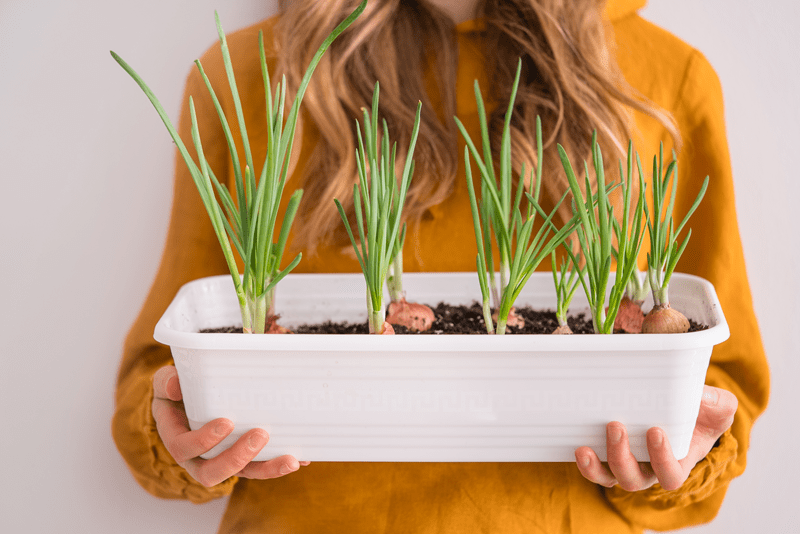
Growing your own food is becoming more and more a lifestyle choice of many American families, rather than just a pastime of experienced gardeners. From the backyards of the suburbs to the little patios or the balconies of apartments, growing edible plants has become the easiest way to enjoy fresh tastes, save money on groceries, and get in touch with nature. With the appropriate plant selection and minimal care, anyone can start food gardening at home, even if they have a small space.
This blog covers what edible plants are suitable for beginners, the importance of growing your own home garden food, and the best vegetables to grow for a fruitful and delightful garden harvest.
The trend of growing edible garden plants has been noticed across the United States as a response to people's increasing awareness of food quality, sustainability, and self-reliance. Producing your own food means that you know exactly what goes into your meals – no unnecessary pesticides, no long transport, and the freshest possible product.
Moreover, cultivating edible plants helps in maintaining healthy dietary habits. When fresh fruits and vegetables are easily accessible, it is obvious that the meals become more plant-based. Gardening becomes a great source of food for the children and simultaneously teaches them where the food comes from while helping them develop the qualities of responsibility and patience.
From a money perspective, growing food at home through a garden can gradually lead to a very significant reduction of grocery expenses, particularly in the case of herbs and vegetables that are used frequently.
It's first and foremost necessary to know the conditions under which the vegetables you intend to grow will develop before you choose those to be grown. Most edible garden plants require:
Whether you are growing plants directly in the soil, in raised beds, or in pots, these conditions are almost universally suitable for all edible plants. Novices in gardening should implement the principle of starting with a small scale. Concentrate on only a few dependable crops to thus have an easy and fruitful garden harvest.
Lettuce is a plant that likes cold and will therefore grow fast, which makes it a perfect food gardening first-time project. Multiple times leaf harvesting is possible which will therefore extend your garden harvest over several weeks.
Spinach is another very healthy option for home garden food. It is a cool-season crop and it can easily be grown in a pot.
Kale is an extremely tough leafy green which can survive cold times and will keep giving leaves for several months. It is among the most nutritionally dense of the edible plants and also very resistant.
Basil is a fast grower in the hot season and is a must in the American kitchens. Regular cutting will encourage the plant to grow more vigorously and hence, your garden harvest will increase.
Mint is almost invincible, thus making it one of the easiest edible plants to grow. Since it spreads very quickly, it is better grown in pots as part of your home garden food setup.
These herbs which have woody stems are very tolerant to drought and thus ideal for long-term food gardening. They need very little care once they have become established.
Herbs deliver intense flavor, help to reduce grocery spending, and make everyday meals more luxurious by the use of your own home garden food.
Tomatoes are one of the most common and popular edible garden plants in the U.S. and this is mainly due to the superior taste of homegrown tomatoes as compared to that of store-bought varieties. Hence, they become a first choice for home food gardening.
Particularly easy for a novice must be cherry tomatoes. They are container-friendly, have a short growing period, and yield generously. With the right sun exposure and watering, gardeners are rewarded with a bountiful garden harvest.
As versatile as they are, tomatoes also allow for different uses—fresh salads, sauces, and snacks all can come straight from your little garden.
Carrots love loose soil and are very easy to take care of. They also are perfect edible garden plants if you want to make a raised bed or use a deep container.
Radishes are among the fastest-growing edible plants and usually, they will be ready for harvest in less than a month. Due to the short time required, they are the perfect food to start with if you want to succeed quickly in gardening.
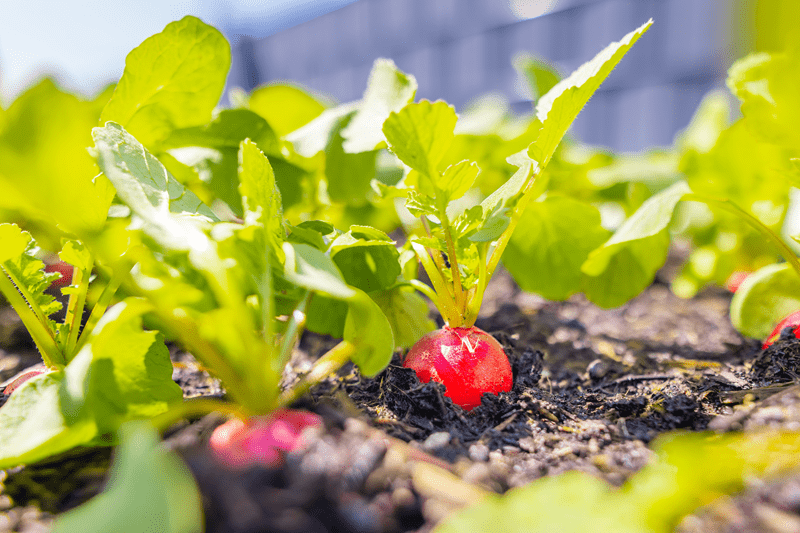
Beets not only offer roots that are tasty and healthy but also greens that most people don't know are edible and are also very nutritious. It thus doubles the output of your home garden food from a single plant.
Root vegetables provide a steady and satisfying garden harvest, as well as an option of easy cooking, which is perfect for beginners.
Bell peppers and chili peppers are examples of warm-season edible garden plants that like a lot of sun. They are the perfect vegetables to grow if you are a gardener who likes to experiment with strong flavors.
Peppers are great plants for container gardening as well as for raised beds and thus are very versatile in terms of your home setup. With regular care, these edible plants will mature continuously, thus allowing your garden harvest to extend till the end of the summer and even early fall.
Fresh peppers make meals tastier and are thus a valuable part of diverse home garden food options.
If you are after quantity, then cucumbers and zucchini are the best edible garden plants that you can have.
Cucumbers grow fast and are great for salads, pickling, and eating as a snack. Zucchini has a reputation for being extremely productive—only a few plants will be enough for you to have weeks of home garden food.
These vegetables to grow need either space or vertical support but will certainly give you a rich garden harvest.
If the plants are to be kept healthy and attractive, then they deserve to be given consistent attention and care. Some of these tasks are regular watering, pest monitoring as well as soil nourishment.
Mulching is a great method to keep the moisture in the soil and at the same time help with the removal of the weeds that may be growing. Compost, on the other hand, is a great soil enricher that also does so naturally and thus sustainable gardening becomes possible.
Simple maintenance habits can greatly help to maximize your garden harvest.
We should know when and how to harvest just as well as we know how to plant. Getting the produce off the plant at its peak of ripeness is what brings the best flavor and nutrition from the edible garden plants.
Harvesting very often is also a good method to encourage the production of many edible plants, like herbs and leafy greens, that is, they will be able to keep producing for a long time. An approach which is very steady will bring in full garden food availability and at the same time, it will eliminate waste.
The time chosen for the garden harvest also plays a big part in keeping the plants healthy and productive throughout the season.
The advantages of growing edible garden plants extend beyond fresh meals. Gardening reduces stress, increases physical activity, and fosters a deeper appreciation for nature.
For families, food gardening becomes a shared activity that builds life skills and healthier eating habits. Environmentally, growing home garden food reduces packaging waste and transportation emissions. Through these gains, growing edible plants becomes a purposeful and eco-friendly lifestyle choice.
One of the most approachable ways to take delight in fresh and healthy food at home is by starting with easy edible garden plants. Leafy greens and herbs, as well as tomatoes and peppers, offer a wide range of diets suitable for American climates and lifestyles.
Food gardening may turn into a garden harvest that is generous in less space, with basic tools, and by your regular care while at the same time it can advance your health, savings, and well-being. Whether you’re planting your very first seeds or you’re already tending to a plot, growing your own home garden food is a satisfying experience that gives you returns season after season.
The best beginner-friendly edible garden plants are likely to be lettuce, spinach, basil, tomatoes, radishes, and mint. These edible plants mature rapidly, take little care, and are well-suited for container or small garden spaces. Beginning with these vegetables to grow is a sure way to have an early and successful garden harvest, which in turn creates confidence in food gardening.
You are not required to have a large backyard to grow your own home garden food. There are a great number of edible garden plants that can be grown in pots, grow bags, or raised beds placed on patios, balconies, or even windowsills. Herbs, leafy greens, peppers, and tomatoes are ideal edible plants for those with limited space. With good planning, food gardening can be done in almost any house in the United States.
The majority of edible garden plants thrive when they are harvested regularly. Leafy greens, herbs, and some vegetables to grow—such as zucchini and peppers—become more productive if they are picked frequently. Regular harvesting keeps plants in good condition and, therefore, raises the overall garden yield quality. Moreover, harvesting at the right time guarantees that your garden food is fresh, tasty, and rich in nutrients.
This content was created by AI