

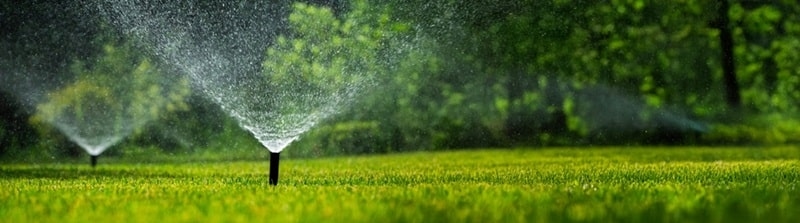
Proper lawn watering is one of the key elements that are essential for the development of your lawn. In the matter of lawn irrigation, especially when it comes to lawn watering during the summer season or lawn water conservation during the winter, timing is more significant than the quantity. People tend to over-water or under-water their lawn simply because they do not know how lawn grass irrigation works.
This comprehensive lawn care handbook provides the secrets to designing an effective lawn watering schedule that promotes root development, balances lawn moisture, reduces water wastage, and ensures your lawn remains lush and healthy throughout the year.
An effective lawn irrigation routine trains the grass roots to develop deeper into the soil layers. Well-established grass roots can withstand drought, high temperatures, and pedestrian traffic. When lawn regions receive irrigation randomly, the water that seeps into the ground is only superficial, which causes the lawn to weaken.
Proper lawn watering ensures that water reaches the root zone and does not evaporate. It will further help in adjusting the level of lawn moisture in a way that prevents the ground from becoming too wet and developing diseases, such as fungus.
A proper lawn watering schedule can be based on depth, intervals, and time, and this cannot be achieved by lightly watering the grass daily.
It enables the grass to absorb a proper quantity of water from the lawn by preventing evaporation. It helps encourage root growth and is a means for efficient lawn irrigation.
The watering cycles for lawn areas vary depending on the type of grass, soil, and climatic factors. Cool grass types require a higher grass watering cycle than warm grass types.
A good lawn maintenance regime does not involve watering your lawn daily, which is conducive to root development. In addition, frequent sessions involving deeper irrigation help improve lawn moisture retention.
While grass can be watered at any time during the day, the best and most efficient time for watering grass is in the early morning.
It’s best to avoid watering the lawn in the evenings. This will prevent the lawn from becoming susceptible to lawn disease due to the presence of water at night. A smart lawn watering schedule will always work in harmony with the natural environment, such as sunlight.
Soil type can be a significant factor in determining irrigation efficiency on a lawn.
Adjust your lawn watering routine according to the rate of soil absorption and release.
A typical lawn requires around 1-1.5 inches of water per week, which may be achieved by combining rainwater and irrigation.
A rain gauge or a shallow container can also be used to gauge the watering of the grass. Precise measuring also optimizes the watering process for lawns, avoiding water waste.
A lawn watering schedule should vary throughout different seasons, and it should be influenced by factors such as:
Grass growth accelerates, despite the need for more water. It is recommended that you reduce lawn watering.
Heat stress also accelerates evaporation. Water requirements are thus increased. Irrigation of the lawn becomes essential.
Decrease watering of grass as temperatures fall.
Winter is a time when most lawns require less watering than they do during a drought.
Adjusting the moisture level of your lawn seasonally is a good way to maintain adequate moisture levels while preserving our limited water resources.
The improvements made in Water Conservation are due primarily to advancements in Lawn Irrigation Systems.
Today, Lawn Irrigation Systems incorporate a variety of modern technologies, allowing for precision and ease of use. Sprinkler systems, drip irrigation, timers, and automated irrigation scheduling will enable you to manage when and how much to water your lawn effectively.
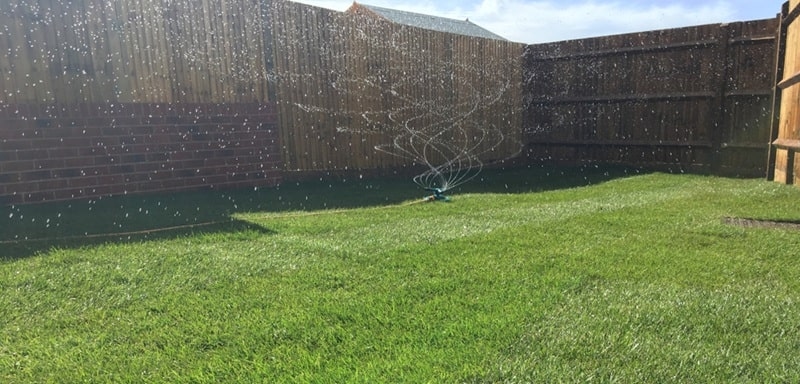
Smart devices can detect rainfall and soil moisture content, automatically adjusting water usage to maintain the ideal moisture level in the grass. This reduces water waste while achieving proper moisture levels in lawns.
The benefit of combining a watering schedule with water conservation is that conserving water does not have to mean a decrease in the quality or health of your lawn.
A well-maintained lawn can conserve water effectively.
Tips include:
Lawn watering and conserving achieve an optimal level of grass hydration.
Common errors that you should avoid when it comes to lawn watering include:
Common mistakes are:
By avoiding the pitfalls, your grass watering routine will improve, and your lawn's moisture will benefit.
Trodden grass will return to its original state when it is healthy. Footprints on your lawn indicate that your lawn is not moist enough. Yellow areas of your lawn or areas with puddles indicate that you are overwatering your lawn.
It is essential to monitor the moisture level of your lawn, allowing you to adjust your watering schedule for optimal lawn watering.
Yes. Rainfall adds moisture to lawns, and this should decrease the need for irrigation. Automatic lawn irrigation systems adjust automatically, while regular updates need to be made manually.
Rain awareness promotes water conservation and prevents overwatering of grass.
Positive results can be expected to manifest within 2 to 3 weeks. The grass turns greener, the roots become stronger, and the moisture is more stable.
Consistency is the key. A disciplined lawnmowing schedule leads to long-term successful lawncare, rather than quick results.
By maintaining a consistent watering schedule for your Lawn, you will help keep your grass strong with equal distribution of water throughout the Lawn and help develop strong Roots for your grass to grow. Innovative Lawn Watering Practices also promote water conservation and support Healthy Grass growth throughout the Growing Season, and allow for maximum Water Conservation.
The lawn watering routine should be done twice to three times a week, allowing the soil to absorb enough water to keep the lawn moist.
Indeed, regular watering of grass promotes shallow root growth and a weak lawn. Proper lawn watering involves watering deeply but less frequently.
Contemporary lawn watering systems are more effective in conserving water, as they provide accurate quantities and prevent runoff, thus keeping the lawn moist.
The puddles of water, the damp soil, and the yellow grass are all indicative of an inefficient irrigation cycle of lawn water.
Absolutely. Temperature, rainfall, and humidity all have a significant effect on the watering schedule and the watering requirement of the lawn.
This content was created by AI