

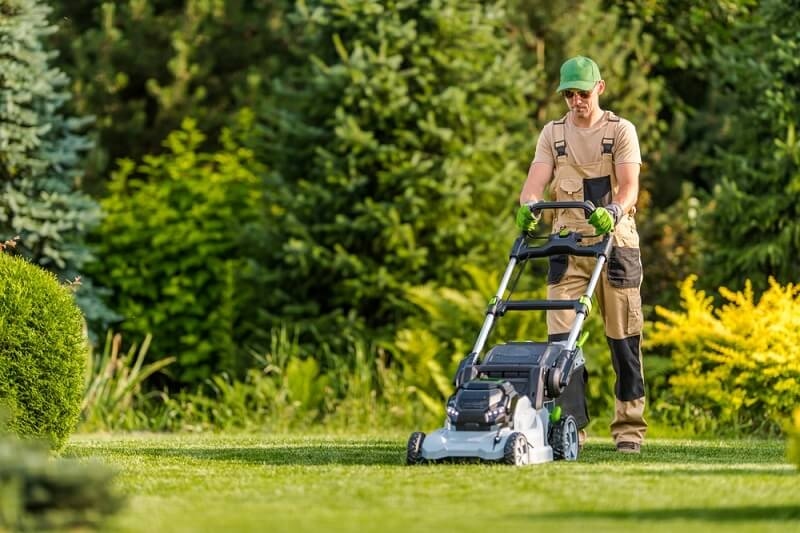
Lawn Maintenance Regular maintenance of residential yards helps keep healthy grass throughout all four seasons when simple habits are followed regularly. The majority of yard problems are caused by neglecting basic maintenance, rather than by failing to maintain soil health or simply having bad luck. Developing and sticking to a lawn care calendar helps establish a structure, so grass maintenance does not seem haphazard.
By performing the same types of lawn care activities every week for a given period, homeowners can prevent minor lawn care issues from escalating into expensive repairs. When caring for residential yards becomes a habit rather than a reaction to a problem, the yards become healthier. Therefore, providing a steady amount of lawn maintenance is more important than giving an excessive amount; this is the driving force behind the contents of this article.
A consistent routine allows for proper grass growth by establishing an order in which you will mow, water, and fertilize. The health of a lawn is based on the root growth of the grass in relation to the condition of the grass above ground. A good lawn care routine will ensure that all elements (soil, etc.) work together in a way that promotes a healthy environment for grass. Lawn care routines eliminate guesswork about when to do something, which creates a level of confidence in performing those actions.
Typical components of a lawn care routine are
By establishing a weekly lawn care routine, you can continue to practice each step at a manageable and gradual pace, helping to keep your grass healthy by consistently providing it with the proper level of care. Grass responds more favorably to gradual and systematic changes than it does to abrupt and significant changes.
A lawn care schedule keeps grass maintenance predictable and calm. Without a schedule, yard care often becomes rushed or delayed, which can harm lawn health. The schedule does not require dates to be written down; it only needs to be in order. Weekly lawn care becomes easier when tasks repeat in the same pattern.
A basic lawn care schedule often follows this flow:
This lawn maintenance routine helps grass grow evenly. What this really means is lawns thrive on rhythm, not random attention.
Weekly lawn care helps prevent stress from building up in the grass. Grass maintenance works more effectively when small tasks are performed frequently. Lawn health improves when mowing is done regularly, rather than being delayed. Yard care done weekly feels lighter and less tiring.
Key weekly lawn care actions include:
A lawn maintenance routine built around weekly lawn care avoids sudden damage. Grass stays stronger when changes remain small.
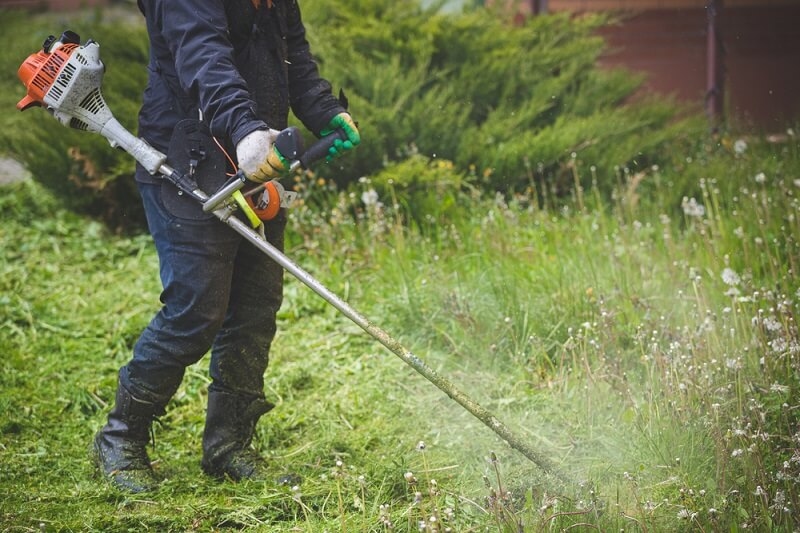
Mowing may seem simple, but it plays a crucial role in maintaining healthy grass. Cutting too short weakens roots and invites weeds. Lawn health improves when blades stay tall enough to shade the soil. Yard care starts with proper mowing habits.
Helpful mowing tips include
This part of the lawn maintenance routine supports root strength. Weekly lawn care, including correct mowing, reduces stress on the grass.
The task of watering is perhaps the most misunderstood aspect of maintaining a yard. Grass tends to be damaged or stressed more often from overwatering than from being left dry for extended periods. By helping the roots develop deeper within the soil, lawn care schedules encourage healthy grass growth. To help prevent daily watering mistakes, establish a watering schedule tailored to the time of year, and use watering equipment only as needed.
A good watering schedule may consist of:
In actuality, these practices allow for less frequent (but more effective) watering of your lawn. A regular lawn care schedule, combined with effective water management, will help build a healthier lawn.
Grass needs food, but timing matters more than quantity. Grass maintenance improves with steady feeding instead of heavy doses. Lawn health depends on nutrients reaching the roots in a slow and efficient manner. Yard care includes knowing when to feed and when to wait.
Feeding tips for a healthy lawn include:
A lawn care schedule helps feeding stay controlled. Weekly lawn care checks prevent overfeeding mistakes.
The foundation of all lawn maintenance activities starts with soil. If the soil gets compacted, the grass will struggle to be healthy. Soil provides access to air and water for the grass roots. Most people neglect their yard's soil maintenance, but soil is the foundation for all life.
The basic elements of soil care are:
In short, healthy soil means healthy grass; therefore, soil checks should always be a part of a lawn care schedule.
Weeds compete with grass for water and nutrients. Grass maintenance becomes harder when weeds spread. Lawn health improves when weeds are controlled early. Yard care should focus on prevention first.
Simple weed control steps include:
Weekly lawn care makes weed control manageable. A lawn maintenance routine focused on prevention saves time in the long run.
Grass changes its behavior with the seasons, even if care remains simple. Lawn health depends on small seasonal shifts in yard care. Grass maintenance does not mean doing more; it means doing what fits the moment.
Seasonal adjustments may include:
A lawn care schedule adapts without stress. Weekly lawn care stays steady while details shift.
Mistakes slow progress even with reasonable effort. Grass maintenance often fails due to rushed actions. Lawn health suffers when too many changes happen at once. Yard care improves when patience leads decisions.
Common mistakes include:
What this really means is that slow fixes are most effective. A lawn maintenance routine thrives on calm adjustments.
A lawn maintenance routine keeps grass strong through simple habits done often. A clear lawn care schedule guides weekly lawn care tasks with ease. Grass maintenance improves when yard care stays consistent. Lawn health grows over time with patience, balance, and steady attention.
Weekly lawn care should be performed once a week, focusing on mowing, checking the soil, and monitoring grass condition.
Yes, grass maintenance adjustments are slight due to temperature and growth speed, but the core lawn care schedule remains essentially unchanged.
Mowing too short weakens the roots and allows weeds to grow, while maintaining a proper height supports stronger grass growth.
Yes, yard care can rely on proper mowing, watering, feeding, and soil care to support lawn health naturally.
This content was created by AI