

A lawn looks simple from the outside. Just grass, right? But anyone who has stared at mysterious green invaders popping up overnight knows the truth. Weeds are stubborn. Sneaky. And sometimes a little personal. One week the lawn looks fine. The next, it feels like it belongs to the weeds now.
The good news? Winning this battle does not require scorching the earth or drowning everything in chemicals. A weed control lawn strategy can stop weeds while keeping grass strong, thick, and very much alive. It just takes timing, patience, and a few smart habits that actually work.
Below are practical tips that help homeowners control weeds without damaging their grass. No shortcuts. No magic potions. Just lawn care that makes sense.
Not all weeds behave the same. Some spread fast. Others dig deep. A few only show up when the lawn is already stressed. Jumping into treatment without proper weed identification often leads to wasted effort and unhappy grass.
Broadleaf weeds like dandelions are different from grassy intruders like crabgrass. Treating them the same way rarely works. Taking a few minutes to identify what is growing gives every next step a better chance of success. A lawn reacts better when the solution matches the problem.
Short grass might look neat, but it invites trouble. When grass is cut too low, sunlight reaches the soil surface. That is exactly what lawn weeds want.
Taller grass shades the soil and crowds out weed seeds before they can sprout. Most grass types thrive when kept slightly higher than the default mower setting. It feels wrong at first. Then the weeds start disappearing. Funny how that works.
Light, frequent watering creates shallow roots. Shallow roots weaken grass and give weeds an advantage. Deep watering encourages grass roots to grow down where weeds struggle to compete.
One or two deep watering sessions per week usually beat daily sprinkling. Grass becomes tougher. Weeds find fewer opportunities. This small shift quietly supports long term grass protection without much extra effort.
A hungry lawn leaves open space for weeds. Fertilizing at the wrong time, though, can actually feed the weeds instead. Timing matters more than people think.
Cool season grasses benefit from feeding in early fall and spring. Warm season grasses prefer late spring and summer. A well fed lawn thickens naturally, which helps with weed prevention long before weeds even appear.
Manual weed removal still works. It just needs good timing. Pulling weeds from dry, compact soil usually snaps the top and leaves the roots behind. That only guarantees a comeback.
After rainfall or watering, the soil loosens. Roots slide out more easily. It is oddly satisfying. Gloves on. One tug. Problem gone. Sometimes the old methods are still the best ones.
Edges, tree bases, and shaded corners often become weed magnets because grass struggles there. Forcing grass to grow in those spots rarely ends well.
Mulch blocks light, holds moisture, and prevents weed seeds from germinating. It also reduces the need for constant trimming in awkward areas. Grass stays where it thrives. Weeds lose ground where they used to dominate.
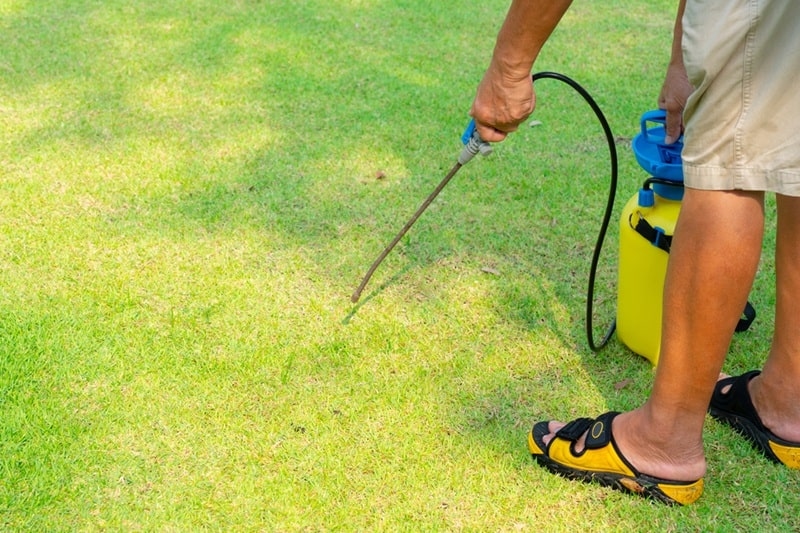
Blanket spraying chemicals across an entire yard is tempting. It feels efficient. But it also stresses healthy grass and disrupts soil balance.
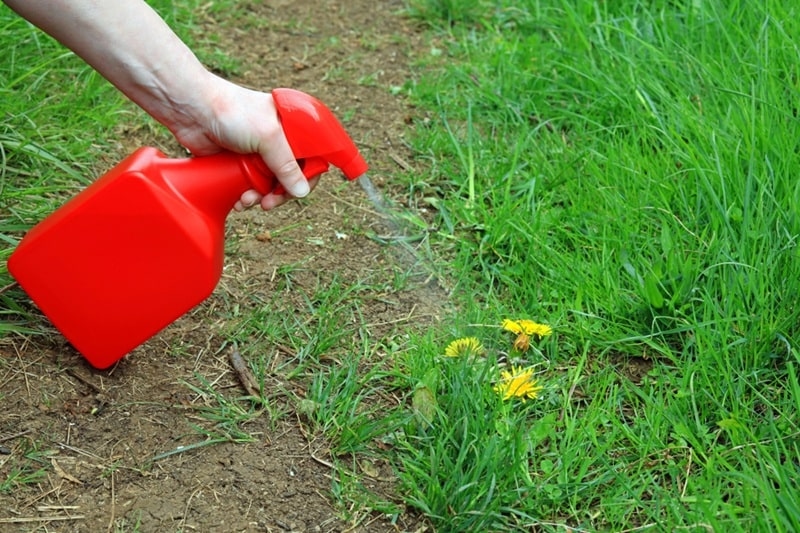
Targeted treatments work better. Apply solutions only where weeds actually exist. This focused weed control lawnapproach limits damage, protects surrounding grass, and keeps the lawn ecosystem more stable over time.
Thin grass equals open invitations. Weeds love bare patches. Overseeding fills those gaps before weeds can settle in.
Fall is ideal for many grass types. Seeds establish roots before winter and explode with growth in spring. A dense lawn naturally resists weeds without constant intervention. Simple math. More grass. Less space for weeds.
Healthy soil supports strong grass roots. Strong roots crowd out weeds. Compacted or nutrient poor soil creates stress that weeds exploit.
Occasional aeration improves airflow and water absorption. Adding organic matter feeds beneficial microbes. The lawn becomes more resilient from the ground up. Weed identification becomes easier too, since fewer varieties survive in healthy soil.
This is the part no one loves. Results take time. Weeds rarely disappear overnight, no matter what the label promises.
Consistency wins. Proper mowing, watering, feeding, and targeted weed prevention slowly tip the balance. Grass strengthens. Weeds weaken. One season blends into the next. Suddenly, the lawn looks better than it has in years.
That quiet progress is the real victory.
Many homeowners focus on what they apply to the lawn and forget when they apply it. Timing quietly controls results. Treat weeds too early and the product barely works. Treat them too late and the weeds have already spread. Grass growth cycles matter here. When grass is actively growing, it recovers faster from stress and crowds out unwanted plants more effectively. Early morning applications also help because temperatures are cooler and moisture levels are stable.
That reduces shock to grass blades. Seasonal awareness keeps treatments gentle and targeted. It also saves time and money. Lawn care works best when actions line up with nature rather than fighting against it.
Lawns see more abuse than people realize. Kids playing, pets running, and constant walking compact the soil over time. Compacted soil limits oxygen and water movement, which weakens grass roots. Weeds love those conditions. They slip in where grass struggles to breathe.
Redirecting foot traffic helps. So does rotating play areas and using stepping stones in high use zones. Occasional aeration relieves pressure and restores soil structure. Once roots regain access to air and nutrients, grass rebounds quickly. Strong grass leaves little room for weeds to take hold.
Aggressive solutions often create new problems. Overuse of chemicals damages roots. Burned grass opens space for new weeds. The cycle never ends.
A balanced approach protects the lawn while discouraging weeds naturally. Thoughtful weed removal, smart feeding, and good watering habits build long term success. Grass stays healthy. Weeds lose their grip. And weekends stay peaceful.
Weeds should be checked weekly during peak growing seasons. Early removal prevents spreading and reduces long term effort.
Mowing helps but cannot solve everything. Proper height combined with watering, feeding, and soil care works best.
Yes, especially when soil is moist. It removes roots fully and avoids stress on surrounding grass.
This content was created by AI