

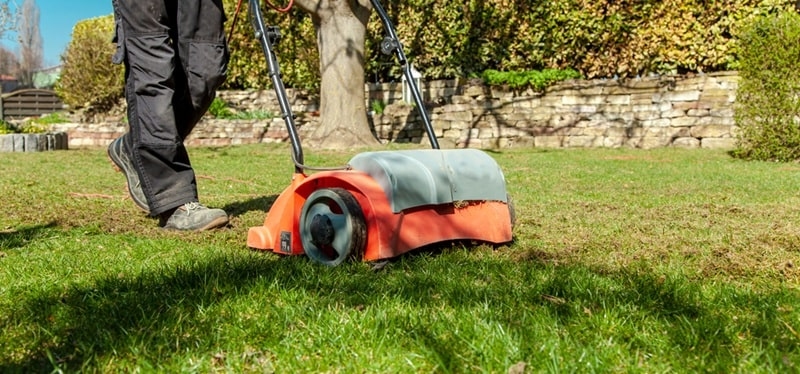
The fact is, a lush, green lawn is no accident. It is the result of healthy soil, healthy grass roots, and proper lawn maintenance. The most commonly underestimated, and most effective way to improve your lawn is to understand the benefits of lawn aeration.
Whether your lawn has weak grass, areas that collect water, or soil compaction, lawn aeration can make a significant difference in how your lawn grows. By addressing soil compaction, enhancing the root structure of your grass, and promoting lawn recovery, lawn aeration lays a solid foundation for a lush and dense lawn.
In this guide, we will delve into the advantages of lawn aeration in great detail, learn how and when to perform lawn aeration, and discover the importance of lawn aeration.
The benefits of lawn aeration occur below the ground. The soil compacts over the years through foot traffic, mowing, pet activity, and the force of nature. Soil compaction hinders the movement of air, water, and nutrients.
When you first start aerating lawns, it causes holes in the lawn soil. The holes provide room for oxygen, water, and nutrients to pass through, which enables the roots of grass to develop across the lawn by growing stronger and deeper into the ground, hence resulting in a healthy lawn.
Significant lawn aeration advantages are:
Soil compaction is also a significant factor that contributes significantly to lawn problems. Soil compaction inhibits root expansion, reduces grass development, and also makes the lawn more vulnerable to weeds and diseases.
Aeration of the lawn surfaces helps to reduce compacted soils and revert to the typical soil structure. With the free flow of air and water, the roots of the grass acquire what they mostly lack: oxygen and nutrients.
One of the most beneficial lawn aeration practices you can take advantage of involves improving the soil's permeability. This will allow your lawn to receive the best conditions under which it can thrive instead of struggling.
Grass with a strong root foundation represents the foundation of a regular lawn. Without aeration, the grass roots will be shallow. This will lead to grass that can easily die as a result of drought, heat, and other environmental conditions.
Lawn aeration is beneficial for promoting the growth of a lawn's root system. As you start aerating the lawn areas, the roots begin to migrate towards oxygen and water. Thus, you experience:
A healthy root structure also enhances nutrient use efficiency, which reduces fertilizer overuse and helps achieve lawn improvement goals.
Yes, and significantly. "One of the most beneficial aspects of lawn aeration in practical terms, though, is quicker recovery from stress caused by heat, foot traffic, insects, or heavy use."
In this manner, by reducing compacted soils, aeration helps to heal damaged regions. It also makes fertilization successful and improves growth for new grass roots.
Thinning patches of lawn may indicate that lawn aeration may be just what is needed to see positive changes within your lawn.
The timing of lawn aeration affects the maximization of its benefits. Depending on the type of grass, there are appropriate times for lawn aeration:
It is during these times that the grass is growing. This makes it possible for the grass roots to recover effectively from lawn aerations.
An average lawn requires aeration at least once a year. Frequent lawns with compacted soils may need aeration biannually.
The frequent treatment of aerated lawns results in long-term benefits of lawn aeration. This is especially true in areas that receive heavy traffic. This process ensures that the growth of the grass roots becomes strong and the empty spaces within the
There are two major types of aeration:
Core aeration: Soil plug removal (most effective)
Spike Aeration: Punches holes without removing soil
Core aeration offers the most significant benefits for lawn aeration, as it helps reduce soil compaction permanently and enhances root growth.
For homeowners genuinely interested in lawn renovations, the following core aeration lawn techniques offer long-term solutions.
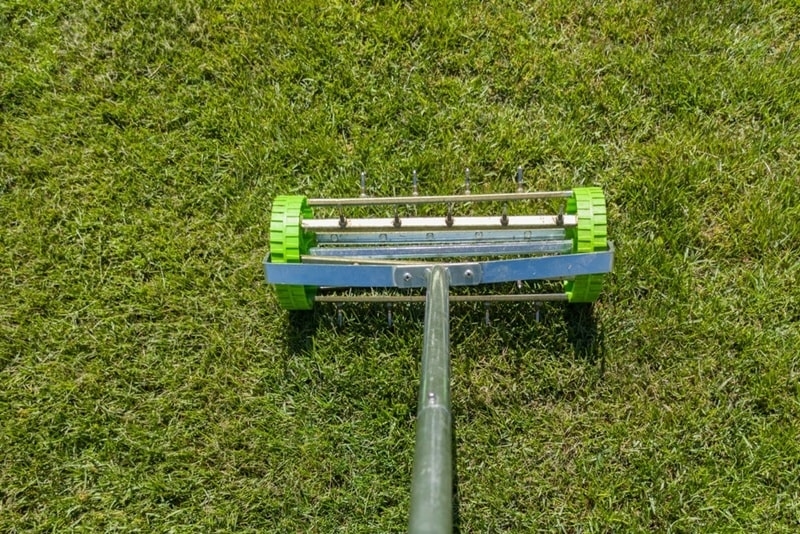
Runoff or fertilizer waste can also occur due to compacted soil. Among the lawn aeration techniques that are most beneficial is increased water absorption.
Aeration of lawn sections enables high water penetration, preventing the formation of ponds. Nutrients can directly reach the grass roots, thus ensuring efficiency.
It helps in lawn improvement without increasing water and fertilizer expenses.
Yes. Some benefits of lawn aeration include controlling the growth of thatch. Thatch prevents water and air from reaching the soil, serving as an ideal habitat for weeds.
Punching holes in the lawn to improve aeration works to break down thatch naturally. When grass is healthy, it grows stronger than weeds, resulting in a cleaner lawn.- John Houck.
Improving one’s lawn over time involves more than just treating the surface with care. Lawn care, such as fertilizer treatments and mowing, may increase benefits, but without working to reduce soil compaction, progress stalls.
Regular lawn aerations lead to conditions in which the grass grows naturally. The effects of lawn aeration build up over time, including the development of robust grass roots, a dense grass canopy, and rapid lawn recovery.
Aeration is more than just yard work; it's an investment in your lawn's future.
Aerating the lawn creates a healthier and stronger lawn, as it reduces soil compaction, improves the root systems of the grass, and increases the rate at which the lawn recovers after being mowed or experiencing foot traffic. Through the process of aeration, the lawn is better able to maintain itself over prolonged periods of time, resulting in a more robust lawn in the future.
Lawn aeration offers several advantages, including decreased soil compaction, enhanced grass root growth, improved water absorption, a quicker recovery process for the lawn, and overall improvement of the lawn through improved soil quality.
Aerating lawn areas is necessary to improve the flow of soil nutrients. A majority of lawns benefit from lawn surface aeration at least once each year. In high-traffic areas or where the soil is compacted, lawn aeration may be performed twice a year for optimal lawn development.
Yes. The reasons why lawn aeration can help encourage the growth of deep-rooted grass include improving oxygen supply and the availability of nutrients.
Aeration is highly effective in combating compaction; however, repeated foot traffic may cause recompaction of the soil. Lawn care by frequent aerating ensures that the lawn is continually improved.
Absolutely. The benefits of lawn aeration are critical in lawn care and maintenance. They help prevent soil compaction.
This content was created by AI