

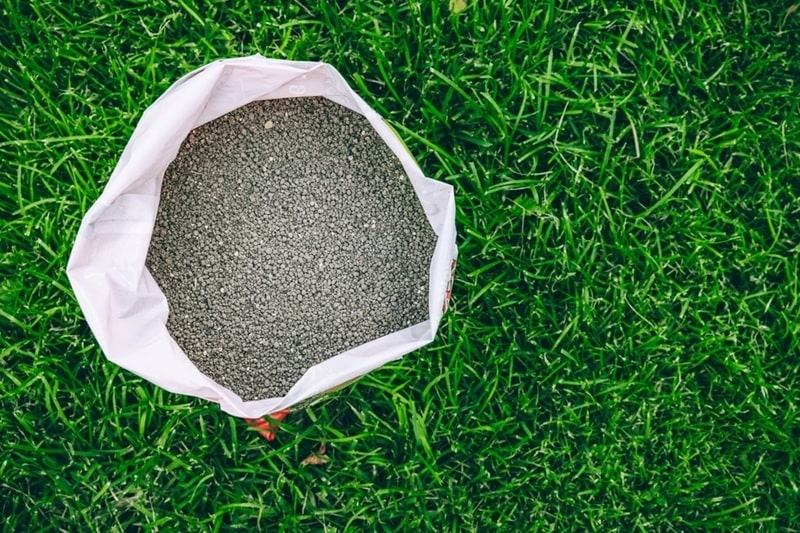
A lush green lawn is generally regarded as the outer appearance of a well-cared-for house. Besides, it makes the outdoor space more inviting and provides you with a nice place to relax in your backyard during any season of the year. However, getting such a stunning lawn requires a bit more effort than just regular mowing and watering.
This lawn fertilization guide breaks down the process of fertilizing, the best time to do it, and how to keep your lawn healthy for the long run without making it unnecessarily complicated.
To keep growing, the grass uses the nutrients it gets from the earth for it to have new blades, repair the damage, and even strengthen the roots. Naturally, the nutrients in the soil get used up due to the mowing, rain, and the fact that people are walking on the grass. If these nutrients are not put back, lawns will gradually lose their density and color.
Along with other benefits, correct fertilizer application can lead to, among other things, sturdier roots, better coverage, and higher resistance to heat, cold, and pests.
Healthy grass is very much dependent on good soil underneath. The three main soil nutrients that are necessary for continuous growth and strength over a long period are supported by a multitude of other minor nutrients.
A soil test is undoubtedly a better way to find out about the needs of your yard than any other method. It can sometimes bring about the situation of waste if nutrients are put blindly in the ground, while balanced nutrition always leads to steady improvement.
No single type of lawn fertilizer will be suitable for the entire variety of grass. The most suitable lawn fertilizing agent depends on the type of grass, the environment, and the soil. Three numbers on the fertilizer label show the ratio of nitrogen, phosphorus, and potassium in the mixture. Grasping this relation will help you to pick a product that fits your lawn's requirements the most.
Grazing on cool-season grasses can be made by nitrogen-packed formulas during their period of vigorous growth. Fertilizing warm-season grasses can be best done when the weather is warm. A lot of people would choose a slow-release fertilizer mainly because it gradually feeds the grass, and the chance of burning is almost non-existent.
The time when fertilizer is applied is equally as important as the choice of the right product. If the grass is in its growing phase, it is the best period when it can absorb the nutrients that are provided in the fertilizer. Hence, a well-thought-out fertilizing plan would always correspond to the natural growth cycle of the grass type that one has.
Don’t get out your fertilizer if the temperature is going to be extremely hot or if there is a lack of water. Grass that is going through a hard time is not able to take in the nutrients it needs very well, and it may cause more injuries than improvements.
Adding more fertilizer doesn't necessarily bring better results. Overfeeding may lead to weaker roots, higher chances of diseases, and also cause uneven growth. Typically, lawns require fertilizer only three to four times annually to maintain their health.
Keeping up with a regular fertilizing schedule is a good way to ensure continuous growth without shocking the soil. It is also essential to always consider your own measurements and follow the product instructions carefully. Dark strips, areas that have been burnt, or certain spots that have grown more than others, are the result of uneven spreading of fertilizer.
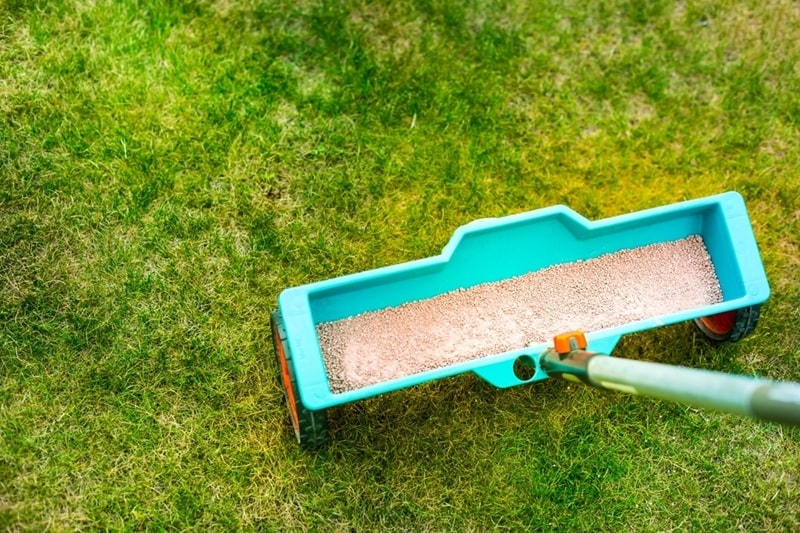
Improperly applied, even the best fertilizer will not be effective. The right position, thus, is the key to the delivery of nutrients to the earth in the most efficient and secure way.
For even coverage, here are some tips:
Hence, your meticulous work will not only benefit the lawn but also the surrounding environment.
Fertilizers alone cannot guarantee proper lawn care. Besides fertilizers, the growth of a healthy lawn heavily depends on how you mow, water, and take care of the soil. One that is insufficiently cut loses its roots, and the process of moisture loss is intensified, too. Cutting grass at the right height helps it stay thick, and it will also provide natural shade for the soil.
Thoroughly, but rarely, watering will result in roots growing deeper in the earth; thus, the lawn will be less susceptible to drought. Compaction removal allows air to flow more freely, and the soil becomes receptive to nutrients.
Most of the problems with a lawn come from simple mistakes that the owner makes. Over-fertilizing is the most frequently committed mistake among others. Excess nutrients usually result in weaker root systems and more thatch accumulation.
Soil condition neglect is yet another frequently made mistake. Firm or low-quality soil can become a barrier to nutrient intake even though a high-quality fertilizer is used. Additionally, fertilizing during the wrong period of the year also leads to a decrease in the efficiency of the fertilizer and may cause stress to the grass.
The fertilizing of the lawn should not be the same all year round. It should adjust to changes in the lawn. Feeding grass in the spring should be more about stamina than color. Throughout the summer, fertilizing should be kept to a minimum, and the timing of it should be very cautious.
The purpose of the fall feeding is to strengthen roots and help the lawn survive the winter. Making minor seasonal changes in your fertilizing plan will help you keep the tune and make steady progress year after year.
A good and green lawn doesn’t ask for complicated ways or continuous treatments. What it does ask for is knowing your grass, feeding it right, and keeping up with it. This lawn fertilization guide reveals how effective lawn care is all about balanced nutrition, correct timing, and using the right maintenance habits.
If you manage soil nutrients properly, put lawn fertilizer in the right place, and support grass feeding by good mowing and watering, you will have a healthy and even lawn growth that will survive any season.
Slow growth, lighter color, and thinning areas are typical indications. The most exact answer will be given by a soil test.
Yes, over-fertilizing can cause the grass to get "burned", roots to weaken, and the possibility of diseases to increase.
That's probably okay when the application is light, but you should not fertilize when there is extreme heat or drought.
Definitely, a little watering helps nutrients to go deep into the earth, but one must not let the soil be heavily watered, or water running off from the rain be present at the same time.
This content was created by AI