

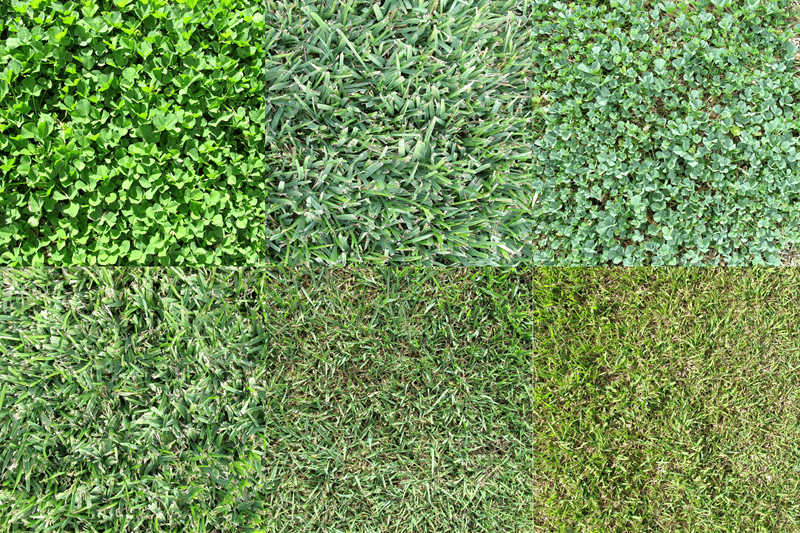
A great lawn feels a bit like a good neighbor. It shows up every day, looks welcoming, and doesn’t ask for too much in return. But here’s the thing. Lawns don’t thrive by luck. They thrive because the right grass meets the right climate. This grass types guide walks you through lawn grass types across the United States, explains how climate shapes success, and helps you make smart grass selection choices without the jargon overload. We’ll talk warm-season grass, cool-season grass, turfgrass options, and even those in between moments when nothing seems to fit. Let me explain how it all connects.
Every lawn decision starts with climate, whether you realize it or not. Temperature swings, rainfall patterns, and seasonal extremes quietly decide which grass will flourish and which will struggle. This section sets the foundation so your choices later actually stick.
Think of grass like people. Some love summer heat, others prefer a crisp fall breeze. Climate dictates growth speed, color, and how well turfgrass recovers from wear. A grass grown outside its comfort zone may survive, but it won’t look happy doing it.
You’ve probably seen these maps at garden centers. USDA zones help narrow lawn grass types by average winter lows. While they’re not the whole story, they’re a useful checkpoint before you spend money and effort.
Heat stress, cold shock, and drought pressure all change how grass behaves. Knowing this upfront keeps expectations realistic. A lawn doesn’t need perfection. It needs compatibility.
If summers feel long and winters stay mild, warm-season grass may feel right at home. These grasses wake up late in spring and thrive when temperatures climb.
Bermuda grass handles foot traffic like a champ. You’ll see it on athletic fields and busy backyards alike. It loves the sun, spreads fast, and recovers quickly. The tradeoff? It goes brown when winter arrives.
Zoysia takes its time. It establishes slowly but rewards patience with dense growth and fewer weeds. Homeowners in the South and transition zones appreciate its balance of toughness and comfort.
St Augustine grass thrives in warm, humid regions and tolerates partial shade better than many warm-season grass types. You’ll spot it along the Gulf Coast and parts of California, often paired with sandy soil.
Cool-season grass thrives where winters bite, and summers stay moderate. These grasses grow actively in spring and fall, giving lawns a fresh look when other regions slow down.
Kentucky bluegrass delivers that iconic lawn look. Rich color, soft texture, and strong recovery make it popular across northern states. It does need attention, especially water during dry spells.
Need fast results? Perennial ryegrass germinates quickly and establishes evenly. It’s often used in blends to fill gaps and improve lawn appearance while slower grasses catch up.
The transition zone runs through the middle of the country, where summers scorch, and winters freeze. Grass selection here requires flexibility and a little patience.
Tall fescue stands up well to heat and cold alike. Its deep roots improve drought tolerance, making it a go-to turfgrass for states like Missouri, Virginia, and parts of Kansas.
Many homeowners in the transition zone rely on blends. Mixing grass types spreads risk. If one struggles, another picks up the slack. It’s like not putting all your eggs in one basket.
Climate sets the stage, but soil and sunlight write the script. Ignoring these details can undo even the best grass types guide advice.
Clay soils hold water. Sandy soils drain fast. Some turfgrass types handle wet feet better than others. A simple soil test can reveal pH and nutrient levels that shape success.
Full sun lawns support aggressive growers like Bermuda. Shaded yards lean toward fine fescue or St Augustine grass. Matching sunlight to grass needs saves frustration later.
Here’s the thing. Every grass asks for something. Knowing what that is helps avoid surprises.
Some grasses want frequent trims. Others prefer a taller cut. Cutting too short stresses turfgrass and invites weeds. Keeping the right height makes life easier.
Warm-season grass typically needs less water once established. Cool-season grass may need summer support. Fertilizer timing matters too, especially when growth slows.
Grass selection doesn’t stop at type. Installation method shapes timelines and budgets.
Sod gives immediate results. It’s great for erosion control and fast makeovers. The downside is price and limited variety, depending on the region.
Seeding costs less and offers more lawn grass types. It requires time, care, and a little faith. But when it works, it feels earned.
Not all lawns serve the same purpose. Some host backyard games. Others frame quiet patios.
Kids, pets, and parties demand resilience. Bermuda and tall fescue handle wear better than delicate varieties.
If your lawn is more scenery than stage, low-maintenance grasses make sense. Fine fescue and Zoysia reduce workload without sacrificing appeal.
Grass responds to seasons like clockwork. Working with that rhythm keeps lawns healthy.
Cool-season grass benefits from fall seeding. Warm-season grass prefers late spring planting. Timing aligns energy with growth cycles.
Dormancy isn’t failure. It’s survival. Knowing when grass rests prevents overwatering or unnecessary fixes.
Choosing the right lawn doesn’t require a crystal ball. It requires attention to climate, honest expectations, and a willingness to meet grass where it lives. This grass types guide shows that lawn success isn’t about chasing perfection. It’s about matching warm-season grass or cool-season grass to your region, respecting soil and sunlight, and planning care that fits your lifestyle. When grass selection feels aligned, lawns stop being chores and start feeling like home.
Fine fescue and Zoysia are known for lower maintenance needs. They require less frequent mowing and tolerate varied conditions well.
Yes, especially in the transition zone. Blends improve resilience and help lawns adapt to seasonal extremes.
Most grass seed germinates within 7 to 21 days. Full establishment can take several months, depending on the type and care.
Some turfgrass types handle shade better than others. Fine fescue and St Augustine grass perform well with limited sunlight.
This content was created by AI