

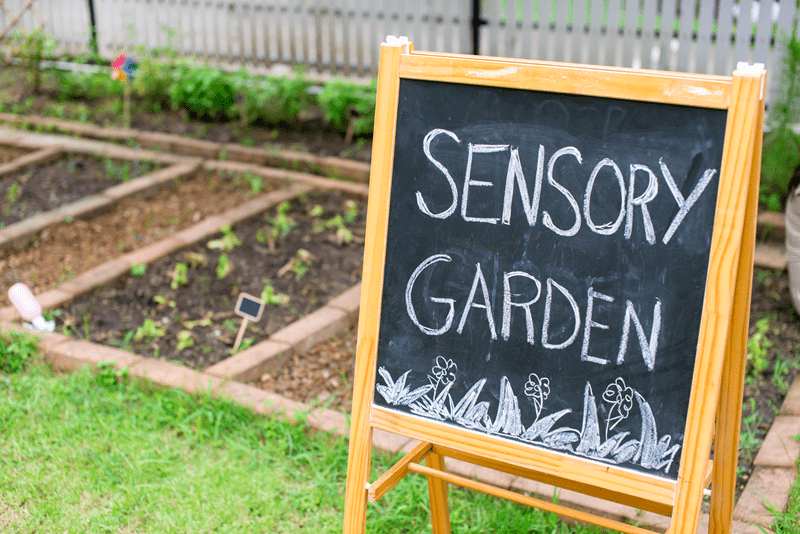
Gardens have been places for rest and reflection for a long time, but a sensory garden is specifically built for a more profound reason. It softly invites the senses to get involved, which in turn soothes the brain, lowers the tension, and fosters a mindful bond with nature.
By using thoughtful design along with suitable plants and features, sensory garden ideas can make any outdoor or semi-outdoor area a calming refuge. These gardens do not focus on being flawless; instead, it is all about how the place feels when you go in.
A sensory garden is all about immersing the senses in sight, sound, smell, touch, and sometimes taste as well. Here are some top sensory garden ideas to soothe the mind:
Your garden’s location largely determines how well it works. A quieter place, away from streets and noisy activities, is the most suitable. Even very tiny spots can be good if they are protected and nice.
At the time of designing the layout, think about having movement that is both simple and natural. A curved path and open spaces will give you a feeling of being more welcome than a stiff design would. Seats should be positioned in such a way that it is very easy for you to stop there and have a look.
The visual point that leads the way in a garden is a must-have element of any garden. These materials soften the different colors and textures, making the garden look more inviting and serene, quite naturally, and the changes of the seasons ensure that the garden is never dull. When picking up the elements, try to create the perfect ensemble instead of a stark contrast.
These visual decisions assist the garden in becoming a serene and inviting place that automatically makes one feel comfortable upon entering it.
Unlike the emotional response to a sight, aural signals play a major role in the power of fragrance and texture. To be specific, some sensory plants release calming scents that have a relaxing effect on the nervous system, while their diverse textures invite gentle interaction. Thus, they help to make a stronger bond with the natural world.
A touch-smell-sight garden that is well-designed will promote slow movements and mindful exploration. Soft leaves, lovely-smelling herbs, and plants that are sensitive to gentle touches make the garden come alive without being overpowering. In the long run, one gets used to these sensory details, and they bring comfort.
A neglected layer that sound shows in garden design is one of the ways to calm the mind. Natural and gentle sounds have the ability to lower the so-called mental noise and increase concentration. Instead of silence, it would be better to have as background sounds some soft ones which are completely natural.
These things help not only to cover the harsh noises from outside but also to build a calm garden atmosphere that could be described as deep rather than disturbing.
There are some plants that have long been considered to be helpful in relaxing the mind and giving emotional comfort. So, by adding such therapeutic plants, the garden not only becomes more attractive but also serves the purpose better, especially to people who are under a lot of stress.
What is common to health-oriented gardens is the usage of such plants as chamomile, lemon balm, and lavender. They can bring calm to a room by their smell and even more so by their natural look. Though healing made by them is not implied, they help to bring a warm, lovable ambiance that is conducive to emotional balance.

A sensory garden is just the place to entice one to stop for a moment and not to hurry. By including areas where one can be still, the contact with the surroundings can be deeper. The simplest planning can turn the garden into a more engaging and purposeful place.
By using such elements, individuals gradually turn into environment and garden-aware beings, as nature provides them with sensory experiences in an intimate and relaxed way.
One of the senses that can become a part of the sensory experience is taste. Edible plants bring an enjoyable and practical layer to the garden. Herbs, berries, and small vegetables invite people to interact and get curious.
There is nothing that can make the bond between a gardener and their place stronger than picking and eating fresh produce. This humble deed can be incredibly grounding and giving, particularly to families and novices who are coming across sensory garden ideas for the first time.
In a sensory garden, balance is a must. Having too many strong colors, smells, or textures might make the person feel uncomfortable or overwhelmed. Calming plants relieve the space of these problems and give the eye a break.
Ferns, grasses, and leafy shrubs are perfect for a soft background, and this is why they are often used for the primary purpose of giving the more visually appealing plants a chance to shine without taking over. Besides that, these calming plants contribute to the regulation of light and temperature, thus making the garden more inviting at any time throughout the day.
A sensory garden is a home for plants, which will keep changing with different seasons and the attention it gets. The tasks for keeping it in shape need not be overwhelming. In fact, simple gardening activities may even turn into your stress-relieving daily routine.
Watering, pruning, and replanting are great ways to practice mindfulness and being present. As time passes, you may change your plant selection according to your shifting needs.
A sensory garden aims to bring about the overall well-being of the person through the focus on interaction with nature. It does this by engaging all the senses, such as sight, sound, smell, touch, and taste, and thus producing a well-rounded garden experience, which comforts both the mind and the body.
With the right environment, one can turn any place into a calm refuge by simply using suitable sensory plants, calming plants, and deliberate layout.
They primarily focus on engaging several senses as opposed to just visual beauty, thus resulting in a more relaxing and mindful atmosphere.
Absolutely! Even a balcony or a small patio can be equipped with sensory plants, have different textures, and carry scents so that one can fully experience the garden.
They are not mandatory, but provide great support as therapeutic plants can pretty much improve relaxation and give emotional comfort.
The calming plants balance out the stronger sensory elements, and at the same time, their presence offers visual as well as emotional rest to the users in that particular area.
This content was created by AI