


Today's fast pace means that finding peace can feel like a luxury. By incorporating mindful gardening practices into your yard work or gardening routine, you can benefit from a natural approach to addressing this issue. By combining mindful, slow, and present-moment gardening practices, you can ensure that your garden is more than just a garden—it is a means of healing.
The very first moments when you step out into nature initiate the awakening of garden consciousness. The soil under your feet, the aroma of leaves, and the rhythms of your breathing all encourage you to adopt calm behaviors that calm both your mind and body. This guide provides an overview of mindful gardening techniques that transform ordinary gardening into a grounding and soothing experience.
Mindful gardening allows one to focus on gardening activities with purpose, awareness, and intention, as opposed to working with a focus on finishing quickly or flawlessly. Rather than adding gardening to a list of things to accomplish, mindful gardening involves attending to every action, every sensation, every sound, with complete awareness.
These techniques are essential because they move gardening from production to presence. When one practices gardening in the present moment, the nervous system is relieved. As the stress hormones decrease, focus improves, and relaxation habits develop naturally. With time, the awareness of the garden becomes a skill that influences life.
Mindful gardening techniques are particularly helpful for individuals in need of mental focus, emotional regulation, and spiritual grounding.
Gardening mindfulness alters the purpose of gardening. This purpose is not about having a perfect lawn or flowers; instead, the objective revolves around raising awareness. In mindful gardening practices, every activity holds significance.
You are aware of how the soil feels between your fingers. You watch plants grow without comment. You let your ears hear bird songs, rather than hurrying to complete your tasks. This is what slow gardening looks like.
Mindfulness gardening is a way of training your mind through your attention. As you learn, being mindful in the garden becomes a habit, and you find patience, gratitude, and emotional calm through garden practices.
Slow gardening is an integral aspect of mindfulness gardening. It promotes you to garden naturally, depending on observation rather than being pressed for time. As you slow down, your body and mind get in tune with the garden.
Slow gardening promotes mental wellness by reducing overstimulation and promoting relaxation. Each slow and deliberate movement grounds you in the present. In a state of awareness and garden awareness, slow gardening elevates ordinary maintenance into soothing behaviors.
By engaging in mindful gardening practices on a regular basis, slow gardening becomes a regular ritual that helps reduce stress and improve concentration.
Present moment gardening means giving your undivided attention to what is happening in the moment, and nothing else. No phones. No mental tasking. You and the garden alone.
Mindful approaches to gardening, such as present-moment gardening, stimulate the parasympathetic nervous system, which has a relaxing effect. This heightened consciousness enables an individual to distinguish between stress-inducing thoughts and reactive emotional experiences.
When garden awareness becomes common, stress will no longer have control. Habits of calm will replace stress, and gardening by mindfulness becomes a natural stress management technique.
Garden awareness is the starting point of mindful gardening. This involves observing your garden as an ecosystem rather than an undertaking that needs to be managed. You watch your garden with interest as the seasons, the soil, and plants evolve.
In mindfulness gardening, garden awareness enhances your senses. Your senses are more keen to the details, texture, sunlight, and moisture. This is what boosts your appreciation for the here-and-now gardener and reinforces the principles behind the slow gardener.
“Over the years, garden awareness leads to better decision-making, patience, and emotional regulation.”
Gardening in a mindful way encourages the development of calm behaviors that extend beyond the garden. Some of these behaviors include:
Mindfulness gardening practices the principle of gardening as a slow process and a practice grounded in the present. In slow gardening and in the practice of gardening in the present, peaceful habits are developed. Such habits help increase resilience and reduce reactivity. They also
Garden awareness is all about realizing that growth is a process that requires time, whether for plants and trees to develop leaves and
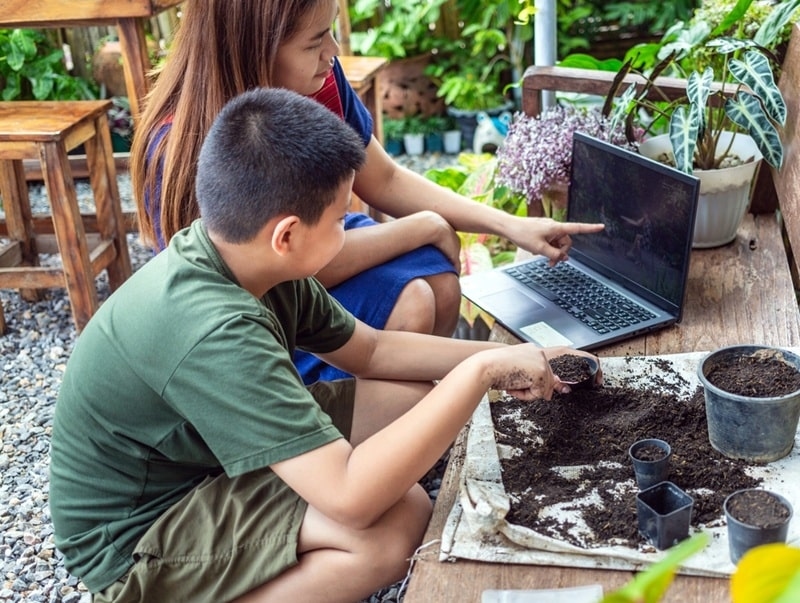
There's no necessity to have special skills or tools when beginning to practice mindful gardening. It all starts with intention. Pick a simple task: watering, pruning, or planting. Engage fully. Focus on your breath. Notice sensation. This is mindfulness gardening in its pure form.
Practice slow gardening by taking more time to tend to your plants. Do not rush. By focusing on the present moment through gardening, we develop a deeper understanding of our gardens, which in turn leads to more calming habits.
Are mindful gardening practices beneficial for enhancing our emotional well-being? Indeed, yes! Mindful gardening provides a spiritual ‘anchor’ by creating a routine and a comfortable space to work through emotions at the pace you choose.
Mindfulness-focused gardening encourages the regulation of mood by allowing us to engage all five senses in our garden, thereby helping us focus and alleviating some of the cognitive overload that many of us experience when gardening. Slow gardening reduces cognitive overload, which is one of the primary reasons gardening in the present helps to prevent our emotional state from spiraling out of control.
The more you understand about your garden, the better you will understand your emotions. The calming experience of gardening translates into greater success at managing emotional reactions, as well as an overall reduction in stress levels.
Optimal health comes from consistency, not from changes in one’s health status. Gardening with mindfulness promotes self-care efficiently and sustainably.
Mindfulness gardening enhances concentration. Slow gardening conserves energy. Mindfulness gardening helps prevent mental exhaustion. This trio brings harmony to mindful living through garden awareness.
These positive habits are compatible with physical health and sound mental functioning.
Mindful gardening isn’t a trend; it’s the return to the way humans interacted with nature. Gardening has always been a healing act. Mindfulness gardening is simply putting intention into it," says Thorburn.
By practicing slow gardening, mindful gardening, and garden awareness, the garden becomes a collaborator in one's wellness. Serene behaviors developed within the garden are experienced for much more than just a growing season.
Gardening under the techniques of mindful gardening is the best way to attain calmness and connect with nature. By implementing the concepts of mindfulness gardening, slow gardening, and present moment gardening, you convert garden work into a form of therapy.
Gardening awareness enhances your connection with nature, while calm habits improve your everyday living. In a demanding world that requires you to do things faster, calm habits of gardening teach you to pause, breathe, and cultivate peace, a moment at a time.
"Mindful gardening techniques boil down to present-directed gardening to enhance awareness, combat stress, and develop a calm lifestyle through slow and reflective gardening with plants."
Mindfulness gardening encourages awareness, rather than speed or outcome, through the practice of slow gardening or present-moment gardening.
Can mindful gardening techniques reduce or alleviate symptoms of anxiety? Yes, mindful gardening can help relieve anxiety by engaging attention, enhancing garden awareness, and promoting calmness through repeated gentle interactions.
There are no experience prerequisites. Gnädentlich may apply to all gardeners because mindful gardening skills involve awareness, not ability.
Even 10 minutes a day of living-in-the-moment gardening practice cultivates calm-generating habits for a balanced mind through increased awareness of the garden.
This content was created by AI