

Life moves fast. Emails pile up, notifications buzz, and even quiet moments feel scheduled. That’s where gardening quietly steps in. This article looks at gardening for stress relief, not as a trend, but as a set of simple, human habits that bring mental calm back into everyday life. We’ll talk about why soil, plants, and patience work so well on a tired mind, how small routines create space to breathe, and how anyone, even with a tiny yard or balcony, can make room for nature relaxation. Let us explain how tending a few plants can soften stress in ways that feel natural, not forced.
Gardening for stress relief works because it asks you to slow down without announcing itself as therapy. You water. You prune. You wait. These actions pull attention away from screens and into the present moment. Honestly, it’s hard to worry about tomorrow’s meeting when you’re checking if the basil needs more sun.
The body relaxes when surrounded by living things. Heart rate drops. Breathing evens out. Nature relaxation is not mystical; it’s physical. Even a small backyard or a few pots on a porch can create that sense of ease people usually associate with vacations or long weekends.
You don’t need a grand landscape or expensive tools to feel better. Stress relief grows from repeatable, low-pressure actions. This section looks at habits that fit into real American schedules, busy mornings, long commutes, and all.
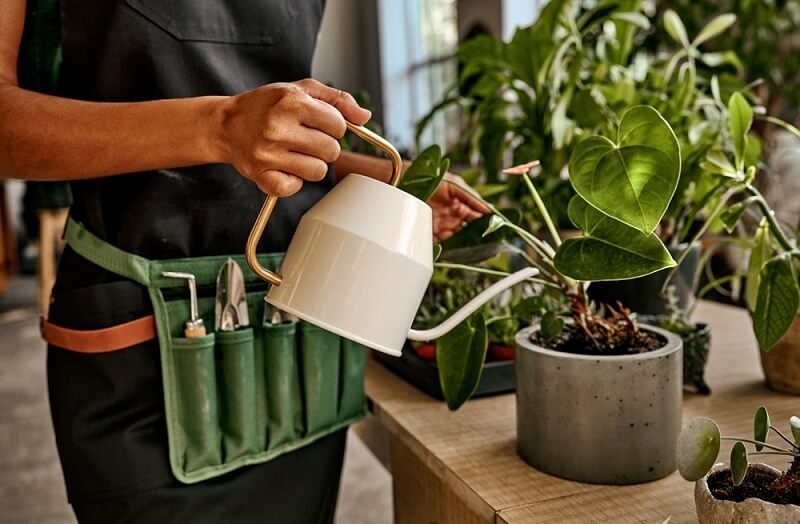
Watering plants early in the day sets a calm tone. The air is quieter. The light is softer. You’re doing something gentle before the rush starts. Many people find this small ritual steadier than scrolling through news or social feeds.
A slow walk through your garden in the evening can feel like a mental exhale. You notice what changed since morning. New leaves. Wilting ones. That quiet observation helps untangle the mind after a long day at work.

Some hobbies stimulate. Others soothe. Gardening sits comfortably in the second group. It doesn’t demand perfection or speed, which makes it one of the most reliable calming hobbies around.
Pulling weeds, turning soil, trimming stems. These tasks repeat, yet they don’t feel dull. The mind settles into a rhythm. Stress reducing activities often share this trait, steady motion without pressure.
Plants grow because you showed up. That’s it. These small wins feel honest. There’s no algorithm involved. Just time, care, and patience. For many people, that’s deeply reassuring.
Gardening asks for attention, but only in small, manageable doses. You’re watching leaf color, soil texture, or spacing between plants, not juggling ten decisions at once.
Beyond surface calm, gardening wellness touches emotions in subtle ways. It gives structure to days that feel scattered and meaning to moments that might otherwise drift.
Plants depend on you, but they don’t judge you. Miss a day? They recover. This gentle responsibility can lift mood without creating guilt, something many modern routines struggle to offer.
Gardens change with seasons, and that’s part of the comfort. Spring brings hope. Summer brings fullness. Fall encourages letting go. Winter rests. Mental calm often comes from accepting these cycles instead of fighting them.
You don’t need a national park in your backyard. Mental calm grows from simple contact with nature where you already live. This section brings it closer to home.
Apartment living doesn’t block gardening wellness. Containers, raised beds, and window boxes bring greenery within reach. A few herbs near the kitchen sink can shift the mood of an entire room.
Native plants tend to need less water and fuss. Less fuss means less stress. They also support local birds and pollinators, adding a quiet life to your space.
Gardening plays well with other stress reducing activities. Think of it as a hub, not a standalone fix.
Writing outside slows thoughts naturally. A notebook on a garden bench invites reflection without forcing it. You jot what you notice. That’s enough.
Stretching while gardening feels intuitive. Reach. Bend. Pause. The body loosens as the mind follows. It’s a movement without a workout playlist.
Pausing to take a few slow breaths while standing in your garden can reset your nervous system faster than you’d expect. Breathe in while noticing leaf textures or sunlight shifts, then breathe out and let the shoulders drop. It’s simple, quiet, and deeply grounding.
Instead of music or podcasts, let the garden set the soundtrack. Birds, wind through leaves, and even distant neighborhood sounds create a gentle backdrop. This kind of listening supports nature relaxation and gives the mind permission to wander without spiraling.
Seasonal gardening often intimidates beginners, but it doesn’t have to. This section eases that concern and keeps things friendly.
Spring invites action, but moderation matters. Start small. A few plants. A few beds. Burnout has no place here.
When outdoor beds rest, indoor plants take over. Houseplants maintain natural relaxation during colder months and keep routines intact.
Lasting calm comes from consistency, not intensity. This final section ties everything together and keeps expectations realistic.
Honestly, one plant is enough. Build from there. Gardening for stress relief grows best when it fits your life, not when it takes it over.
Plants don’t rush. Neither should you. Over time, this lesson sinks in quietly. You notice stress arriving slower and leaving sooner.
Gardening doesn’t promise a stress-free life, and that’s okay. What it offers is something steadier: moments of pause, physical connection, and gentle purpose. Gardening for stress relief works because it meets people where they are: tired, busy, hopeful. Through calming hobbies, nature relaxation, and simple routines, gardening wellness becomes less about perfect plants and more about mental calm. You know what? Sometimes peace looks like dirt under your nails and a plant that survived another day.
Yes. Gardening for stress relief lowers tension through physical movement, focus, and time spent with nature, even in small doses.
Even 10 to 15 minutes a few times a week can support mental calm and fit easily into busy schedules.
Gardening wellness supports anxiety relief by slowing thought patterns and encouraging present-moment awareness.
No. Container gardens and houseplants offer the same calming benefits and support nature relaxation indoors.
This content was created by AI