

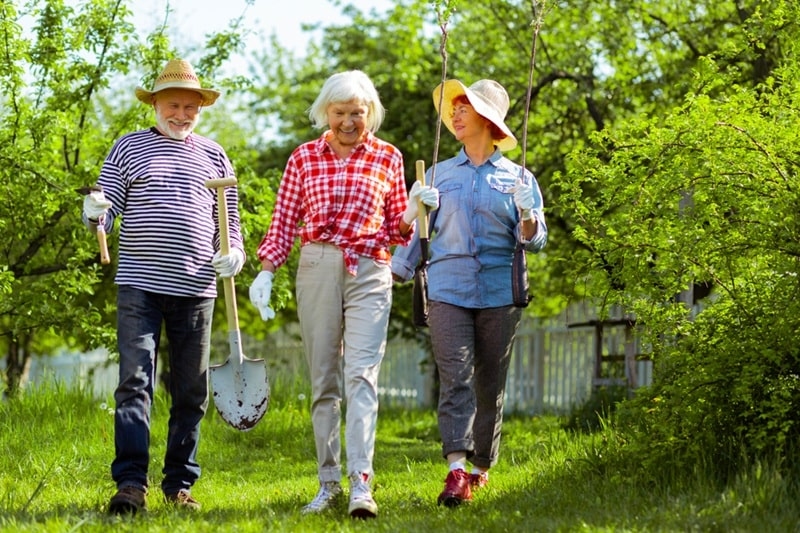
Gardens have a way of slowing time. A few minutes outside can soften stiff joints, clear a busy mind, and bring back a sense of purpose that sometimes fades with age. For many older adults, gardening is not about chasing perfect blooms. It is about movement that feels meaningful. About fresh air. About feeling useful without feeling rushed.
As bodies change, so do energy levels and mobility. That does not mean giving up the garden. It means gardening smarter. With the right approach, gardening for seniors becomes a safe, enjoyable way to stay active while supporting physical and emotional health.
This guide explores how older adults can keep gardening part of their lives without strain or risk. No pressure. No heavy lifting. Just practical ideas that respect the body while still feeding the soul.
Gardening for seniors becomes safer when the environment works with the body instead of against it. Raised beds reduce bending. Wide paths prevent tripping. Seating placed nearby allows frequent breaks without leaving the space.
Tools matter too. Lightweight hand tools with cushioned grips reduce strain on wrists and fingers. Long handled tools limit the need to stoop. Gloves protect delicate skin while improving grip.
Safety is not about limiting activity. It is about creating conditions where movement feels secure and controlled.
Gardening naturally blends gentle exercise with mental engagement. Reaching, walking, bending, and lifting small items all encourage movement without feeling like a workout. That makes it easier to stay consistent.
Time outdoors also improves mood and sleep quality. Sunlight helps regulate daily rhythms. The sense of nurturing something living builds confidence and routine. These small benefits add up, supporting overall aging wellness in quiet but powerful ways.
Gardening does not demand perfection. It welcomes presence. That is why it works so well later in life.
Many seniors stop gardening because the work starts to feel overwhelming. Too much digging. Too much bending. Too many tools that are hard to grip. The solution is not pushing harder. It is adjusting expectations.
Comfort should guide every choice. Smaller garden beds. Fewer plants. Slower pace. Gardening done in short, enjoyable sessions works better than long days that lead to soreness. When comfort leads, the garden remains a place of pleasure rather than pressure.
This mindset shift makes senior friendly gardening sustainable over time.
Not every task needs to involve digging or lifting. Some of the most satisfying garden work is also the least demanding.
Watering with a lightweight hose. Deadheading flowers. Harvesting herbs. Repotting small plants. These easy garden tasks keep hands active and minds engaged without stressing joints or muscles.
Breaking chores into short sessions helps too. Ten minutes here. Fifteen there. The garden stays tended without fatigue taking over.
A garden designed with accessibility in mind prevents future frustration. Containers placed at waist height reduce bending. Vertical gardens bring plants closer to eye level. Self watering planters reduce daily maintenance.
Mulch helps retain moisture and suppress weeds, cutting down on repetitive work. Choosing perennial plants limits yearly replanting. These strategies support low effort gardening that still looks full and alive.
The goal is a garden that gives back more than it takes.
Uneven ground increases fall risk. Clear, wide paths allow safe movement even with walkers or canes. Smooth materials such as pavers or compacted gravel provide stability underfoot.
Avoid clutter. Tools left lying around create hazards. Garden layouts should feel intuitive, with obvious routes and visible boundaries. When navigation feels easy, confidence grows.
This is a core principle of accessible gardening that often gets overlooked.
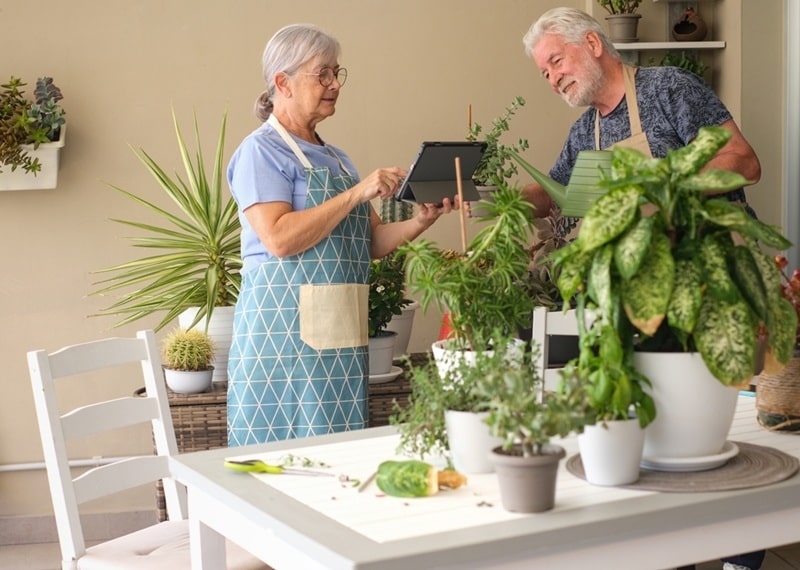
Container gardening offers flexibility. Pots can be moved, raised, or repositioned as needs change. They allow gardening from a seated position and reduce soil strain.
Lightweight containers made from resin or fabric are easier to manage than ceramic or stone. Placing them on benches or stands brings plants within easy reach.
Container gardens also make it easier to control soil quality and watering schedules. Less work. More reward.
Even gentle gardening involves movement. Using good body mechanics prevents strain. Bending from the knees instead of the waist. Keeping loads close to the body. Switching tasks to avoid repetitive motion.
Stretching before and after gardening helps maintain flexibility. Simple wrist and shoulder stretches reduce stiffness later. Gardening should leave the body feeling pleasantly tired, not sore or stressed.
Listening to the body is part of long term aging wellness.
Some plants demand constant attention. Others thrive with minimal care. Seniors benefit from choosing the latter.
Native plants adapt well to local conditions. Drought tolerant species reduce watering needs. Slow growing shrubs require less pruning. Herbs like rosemary and thyme offer fragrance and flavor without fuss.
Plant choice influences workload more than most people realize. Smart selection supports ongoing enjoyment.
Gardening does not have to be solitary. Sharing the space with neighbors, family, or community groups adds motivation and connection. Even casual conversation over plants builds social engagement.
Raised beds in community gardens often follow senior friendly gardening principles by default. They offer support, shared responsibility, and companionship.
Social interaction supports emotional health just as much as physical activity does.
Bodies change. Gardens should change too. What felt easy five years ago might feel heavy today. That is normal.
Removing difficult plants. Raising beds higher. Reducing garden size. These adjustments preserve independence rather than diminish it. Adaptation keeps gardening accessible long term.
Gardens that evolve alongside their caretakers remain sources of comfort rather than reminders of limitation.
Not every season will be perfect. Some plants fail. Some days feel harder than others. That is part of the process.
Celebrating small wins matters. A new bloom. A harvested tomato. A few peaceful minutes outside. These moments reinforce why gardening remains valuable.
Gardening success is not measured in yield alone. It is measured in how it makes people feel.
Yes. With raised beds, proper tools, and short sessions, gardening can be adapted safely for most mobility levels.
Short, regular sessions work best. Ten to thirty minutes a few times a week provides benefits without strain.
Container gardening and raised beds offer the most control and comfort while reducing bending and lifting.
This content was created by AI