

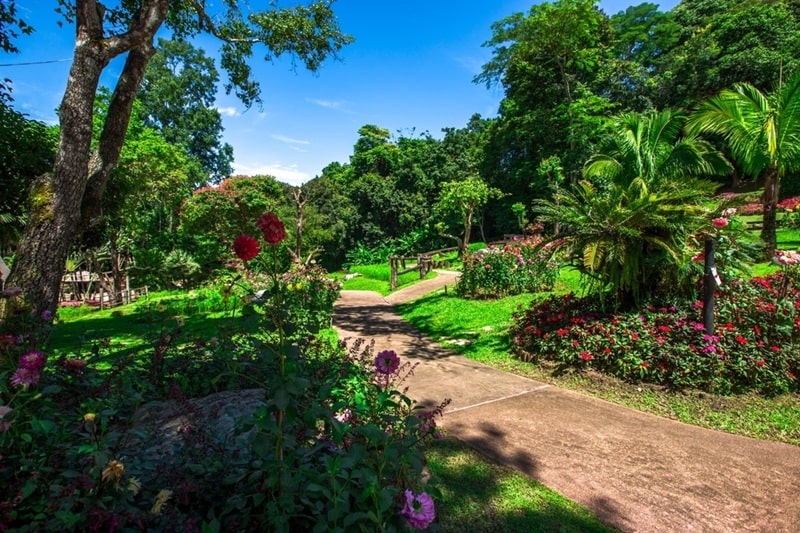
A garden can be more than decoration. It can be a pause button. A place where shoulders drop without being told to relax. Where time slows, just a little. That is the quiet promise behind healing gardens. They are not about perfect symmetry or fancy plants. They are about how a space makes people feel when they step into it.
Modern life is loud. Screens glow. Schedules pile up. A thoughtfully planned garden can become a gentle counterweight. Not dramatic. Not forced. Just steady, grounding comfort. The kind that supports recovery, reflection, and emotional balance without demanding anything in return.
The ideas below explore how intentional choices can shape outdoor areas into supportive, restorative environments. Whether the space is large or small, public or private, these principles help turn green space into something deeper.
Healing garden design works best when people feel safe, both physically and emotionally. Clear paths reduce anxiety. Gentle curves feel more welcoming than sharp angles. Visual boundaries create privacy without isolation.
People heal more easily when they know where to go and where to rest. Seating should feel anchored, not exposed. Views should be calming rather than overwhelming. Even small details, like consistent ground textures, reduce subconscious stress.
A thoughtful healing garden design quietly signals permission to slow down. To linger. To breathe.
Long before wellness trends had names, people instinctively turned to nature to feel better. Monasteries had cloisters. Hospitals had courtyards. Homes had quiet back gardens. These spaces were not accidental. They were designed to soothe the mind and steady the body.
Modern healing gardens follow the same instinct, just with more research behind them. Studies consistently show that access to nature lowers stress, improves mood, and supports physical recovery. Green views help people breathe easier. Soft textures calm the nervous system. Even brief exposure can shift mental states.
A garden does not cure illness. But it supports the human capacity to heal. That alone makes thoughtful design worthwhile.
Before choosing plants or furniture, it helps to ask one simple question. Who is this garden for? A patient recovering from surgery needs different support than a caregiver seeking moments of quiet. A community garden offers different benefits than a private retreat.
Clear intention guides every decision that follows. Path widths. Seating placement. Plant choices. Shade levels. Without intention, a garden becomes decorative. With intention, it becomes functional in the most human way. This is where therapeutic landscapes stand apart. They are designed with emotional and physical responses in mind, not trends.
Stillness matters, but so does gentle movement. Flowing paths encourage slow walking. Rustling leaves draw attention outward. Water features add rhythmic sound that masks urban noise.
Movement should never feel rushed. Straight lines suggest speed. Curves suggest exploration. A wandering path invites curiosity without pressure. That sense of choice restores autonomy, which is essential during recovery. In a well planned calming garden layout, movement becomes part of the healing process rather than a distraction.
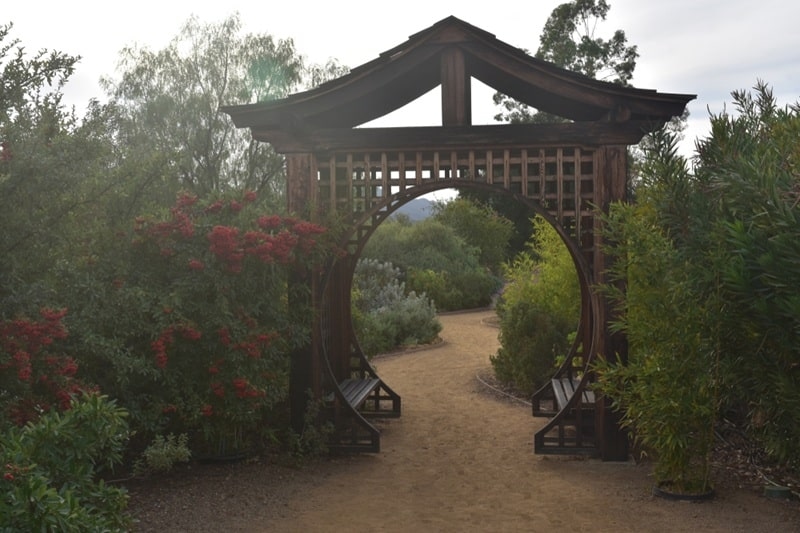
Bright colors and rare plants can excite the senses, but healing spaces benefit from moderation. Soft greens, layered textures, and familiar species create comfort. Fragrance should be subtle, never overpowering.
Plants that change gently with the seasons remind visitors that recovery is a process. Nothing is rushed. Nothing is static. The garden evolves, just like people do. Plant selection plays a key role in garden wellness design because sensory overload can work against relaxation.
A bench placed at the end of a path feels intentional. One tucked beneath a tree feels safe. Seating should appear naturally where people want to pause, not where design symmetry demands it.
Different seating heights support different bodies. Some people need armrests. Others prefer open benches. Choice matters. It restores dignity and comfort without explanation. Seating transforms gardens into peaceful spaces where recovery feels possible, even if only for a few minutes at a time.
Light affects mood more than most people realize. Too much sun creates tension. Too little can feel gloomy. A healing garden offers options. Dappled shade feels protective. Morning light energizes. Afternoon shade soothes.
Trees, pergolas, and plant layering help modulate light naturally. The goal is balance, not perfection. A garden that allows people to choose where they feel most comfortable supports emotional regulation effortlessly.
Absolute silence can feel unsettling. Gentle sound reassures. Wind through grasses. Birds. Water moving over stone. These sounds ground attention in the present moment.
Artificial noise disrupts recovery. Strategic plant buffers reduce traffic sounds. Water features soften sharp noise. Sound design often goes unnoticed, which is exactly the point. In therapeutic landscapes, sound becomes an invisible companion rather than a distraction.
Healing can be solitary or shared. A good garden supports both. Small seating clusters allow quiet conversation. Single chairs allow reflection. Open sightlines create a sense of community without obligation.
People recovering emotionally or physically often need control over social exposure. The garden should offer presence without pressure. That balance turns gardens into healing gardens rather than social spaces that demand energy.
A garden meant for healing should not feel chaotic. Overgrown plants, broken features, or inconsistent care create subconscious stress. Maintenance routines should support calm.
Simple plant palettes are easier to maintain. Durable materials age gracefully. Predictable seasonal changes create reassurance. A well kept garden reinforces trust. People feel cared for simply by being there.
Some people pray. Some meditate. Some simply sit. Healing gardens work best when they allow personal meaning to emerge without instruction. A quiet corner. A simple stone feature. An open patch of grass. These elements invite interpretation rather than dictate use.
When a garden supports individual rituals, it becomes more than a space. It becomes an experience that adapts to each visitor.
Size does not determine impact. A balcony garden, courtyard, or narrow pathway can still function as a healing environment. The same principles apply. Clarity. Comfort. Sensory balance. Privacy. Even limited space can support recovery when design prioritizes human response. Small gardens often feel more intimate, which can deepen their effect. Healing is not about scale. It is about intention.
A healing garden focuses on emotional and physical comfort through thoughtful layout, plant choice, seating, and sensory balance rather than visual impact alone.
No. They are used in homes, workplaces, community spaces, and care facilities. Any space designed for calm and recovery can follow these principles.
Many people feel calmer within minutes. Long term exposure supports ongoing stress reduction and emotional well being over time.
This content was created by AI