

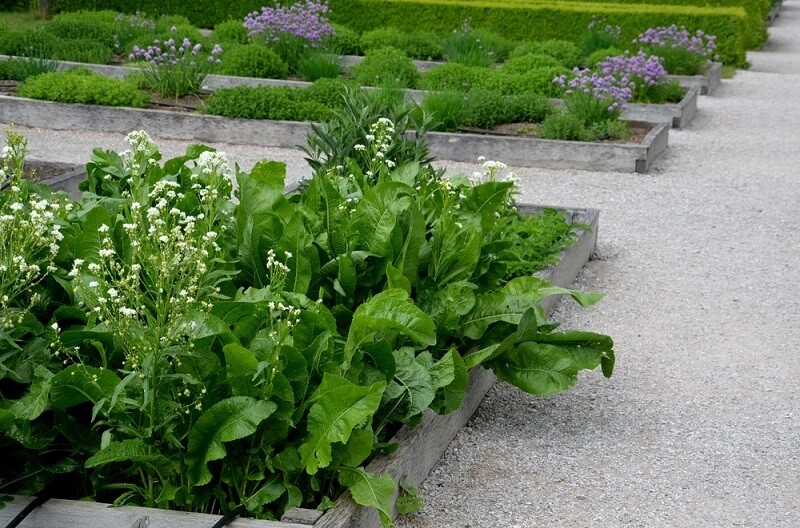
Garden therapy has a very restorative and grounding influence on us by establishing and reinforcing our relationship with nature. It does not focus on being aesthetically pleasing but rather on the physical sensations we experience while gardening. The process involves utilizing our bodies and minds in harmony with the earth to cultivate emotional balance and healing.
Combining the concepts of healing gardening with mindfulness practices creates what is referred to as Healing Garden Therapy (HGT), which encourages relaxation and an awareness of being in the present moment. As participants experience the benefits of HGT, they become more content, develop compassion towards themselves and others, and realize their own stability within themselves.
Therapeutic gardening is an approach to gardening used as a form of therapy to improve emotional, mental, and physical health. The emphasis of healing gardening is on the "journey" rather than the "outcome," thereby reducing any pressure that may come from trying to grow something ideally or achieving a specific goal. Wellness gardening offers a calming focus by incorporating living plants alongside traditional gardening techniques. Nature's healing properties provide a stable source of sights, sounds, and textures, allowing the user to focus on themselves. The benefits of garden therapy are found in repetitive action and care for the plant rather than speed or size.
Gardening in a therapeutic way can be done by:
In essence, gardening is an opportunity to heal oneself rather than a chore that needs to be undertaken.
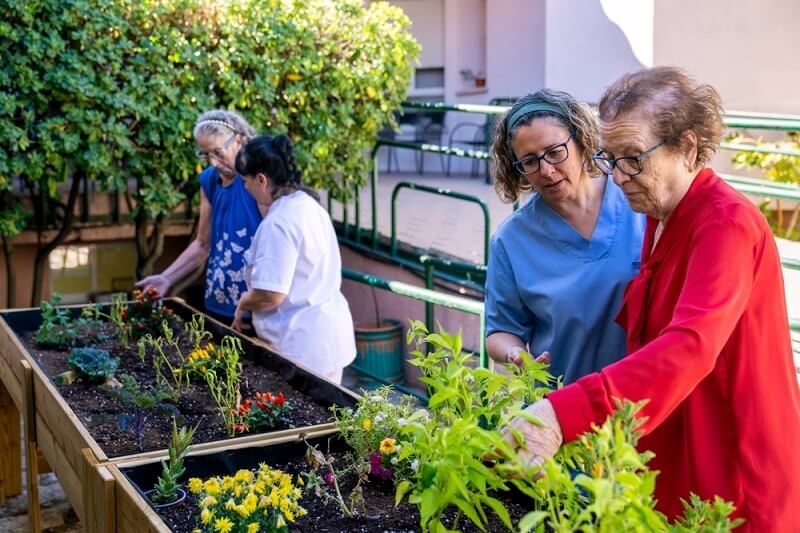
Healing gardening is practical because it connects the body and mind in gentle, yet profound, ways. Plants grow at a natural pace, which slows rushing thoughts. Mindful gardening encourages noticing small details, such as the shape of leaves or the scent of the soil. Nature healing supports relaxation because outdoor spaces reduce mental noise. Garden therapy benefits grow stronger with consistency rather than effort.
Healing gardening supports wellness by:
Therapeutic gardening suits many lifestyles because it can be easily adapted to fit various needs.
Mindful gardening allows you to focus on the “here and now” by engaging in simple actions with focused attention on your surroundings. There is little to no distraction when practicing wellness gardening, as your attention remains gentle on the present moment. Therapeutic gardening incorporates mindfulness techniques, including slow breathing and slow, steady movements. Healing through nature is also a form of mindfulness because it allows us to engage our senses naturally.
Examples of practices related to mindful gardening include:
Please remember that mindful gardening does not require silence or formal rules; it simply requires being present in the moment with your attention.
Garden therapy benefits appear slowly but last longer. Therapeutic gardening promotes emotional stability by reducing stress responses. Healing gardening gives space for thoughts to settle without judgment. Wellness gardening supports routine, which helps people feel grounded. Nature healing reduces feelings of isolation by creating a connection with living things.
Common garden therapy benefits include:
Therapeutic gardening works quietly in the background of life.
Wellness gardening also supports the body through gentle movement. Therapeutic gardening involves bending, stretching, and walking, which keeps the body active without strain. Healing gardening tasks improve coordination and strength over time. Nature healing encourages outdoor activity, which supports overall energy.
Physical garden therapy benefits include:
What this really means is that wellness gardening supports both body and mind.
A therapeutic gardening space does not need to be large or fancy. Healing gardening can be practiced in backyards, balconies, or small indoor areas. Mindful gardening benefits come from intention, not size. Natural healing can occur anywhere plants grow.
Helpful tips for setting up include
Therapeutic gardening spaces should feel safe and welcoming.
Due to their texture, scent, or ease of care, some plants enhance healing gardens more effectively than others. When plants are forgiving, wellness gardening is easier. When plants allow, or encourage, touch and attention, then gardening is done more mindfully. When people think of natural healing, they often think first of plants with which they are familiar.
Standard plant selections are
Gardening therapy becomes even more beneficial when gardeners can find plants that are easy to manage.
Therapeutic gardening is most effective when small routines are repeated frequently and consistently. Healing gardening routines create structure without stress. Wellness gardening does not require long sessions; even brief visits can be beneficial. Nature healing builds through consistency.
Simple daily mindful gardening routines include:
What this really means is presence matters more than duration.
Therapeutic gardening supports emotional healing by providing a sense of control and calm during times of uncertainty. Healing gardening allows expression without words. Mindful gardening helps maintain focus when emotions feel overwhelming. Nature healing provides comfort through predictable cycles.
Emotional garden therapy benefits include:
Wellness gardening helps emotions settle naturally.
Some believe therapeutic gardening requires training or special programs. Healing gardening actually focuses on personal experience. Wellness gardening doesn't need strict rules. Mindful gardening adapts to each person’s comfort level. Nature healing happens naturally, not through force.
Clarifying points include:
Therapeutic gardening remains accessible to many people.
Building therapeutic gardening into daily life takes patience. Healing gardening grows stronger when pressure stays low. Wellness gardening habits form through repetition. Mindful gardening becomes easier as comfort increases. Nature healing supports long-term balance.
Helpful habit-building ideas include:
Garden therapy benefits deepen over time.
Therapeutic gardening supports calm minds and steady wellness through gentle plant care. Healing gardening builds balance without pressure. Mindful gardening encourages focus and peace. Wellness gardening connects body and mind. Nature's healing power works quietly through daily routines, offering the lasting benefits of garden therapy.
Regular gardening often focuses on the outcome—a beautiful or productive garden. Therapeutic gardening focuses on the process and the gardener's experience, using the activity itself as a tool for healing and well-being.
Absolutely. Container gardening on a balcony, windowsill, or even with indoor plants can provide the same core benefits. The key is the mindful interaction with your plants, not the size of the space.
Great starter plants include succulents, snake plants, basil, mint, cherry tomatoes, marigolds, and zinnias. They are generally forgiving and offer quick, rewarding growth.
Even short, consistent periods are effective. Spending 10 to 15 minutes of mindful gardening each day can help reduce stress and improve your mood. The benefits often come from the routine, not long hours of work.
This content was created by AI