

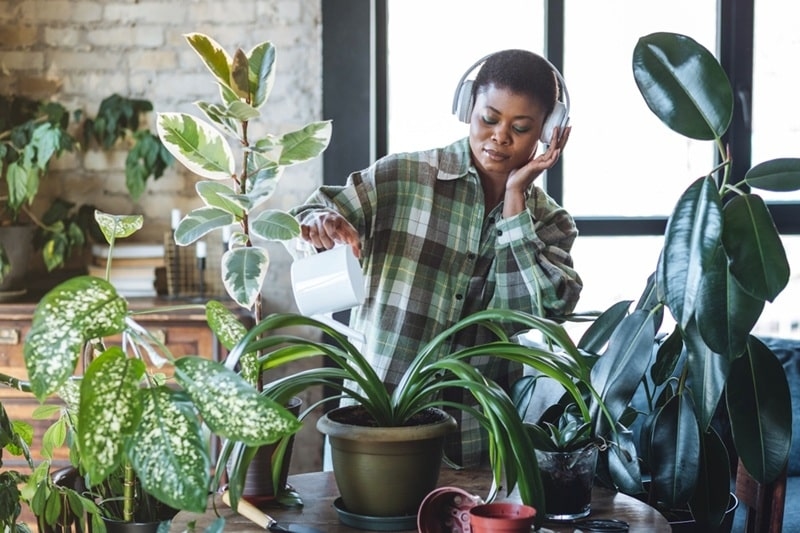
In the rapidly pulsating American lifestyle, issues with mental health are being witnessed with greater regularity. The absence of leisure time, technology overload, money troubles, and loneliness are all contributing factors to the growing instances of anxiety and depression being reported in the United States. Although mental counseling, prescribed medications, and the need for lifestyle modification continue to play an imperative role, several people are shifting to natural and simple techniques that can promote good mental health. These include gardening for mental health.
Gardening, besides being a hobby, can also be a gentle form of nature therapy, as it helps to nourish one’s body as well as one’s mind. Whether one prefers tending to a home garden, a balcony herb garden, or indoor anxiety relief plants, gardening can help to rejuvenate people as a form of nature therapy, because there are significant benefits to gardening, especially as a means of improving one’s emotional wellness.
Here, we will examine the role of mental wellness gardening, the reasons for the calming impact of plants on the mind, and ways in which gardening can be used effectively for the management of depression and the reduction of anxiety.
The relationship that exists between human beings and nature has biological roots. Environmental studies conducted by psychologists indicate that human beings have the ability and react favorably to nature—a principle called biophilia. Gardening for mental health benefits derives its roots from this principle.
Being around plants has also been shown to reduce levels of cortisol, which is the hormone triggered by stress. By reducing cortisol, one can feel more relaxed emotionally, find it easy to concentrate, and get enough rest. That is why taking care of gardens for mental health is becoming popular among health experts.
Gardening also engages various other senses, like the experience of touching the soil, the aroma of the plants, and watching them grow, which connects the mind to the current moment. Engaging the mind in the current moment is a very crucial part of nature therapy.
Taking care of emotional wellness is balancing between responsibilities and rest, stimulation and calm. Gardening brings that balance with its own inherent routine of watering plants, inspecting leaves, and seeing growth.
For someone like most Americans with numerous responsibilities, garden care has been a chance to unplug and slow down. Unlike computer work, which insists on being addressed instantly, plants require attention on their own timeline. Such a pace is a powerful motivator in learning and practicing patience and acceptance.
Practicing gardening for mental wellness also promotes a sense of purpose. Plant care, especially, can provide immense meaning to people suffering from loneliness and emotional exhaustion, by reminding them that someone needs them.
Stress represents one of the most frequent issues in the field of mental health in the United States, both in adults and in teens. Gardening for mental well-being acts as a natural stress management tool through the process of transitioning the nervous system from the "fight or flight" mode into the "rest and digest" phase.
Gardening for mental well-being on a regular basis promotes mindfulness, just like meditation and yoga, but gardeners might find that it is more accessible for their needs than other mindfulness activities.
Some plants are very effective for alleviating anxiety. Such plants are referred to as anxiety relief plants and help regulate mood through smell, touch, and vision.
The fact that the anxiety relief plants add another element of comfort. These activities can serve as a ground-level, physical activity, such as watering or transplanting the plants, which can help the mind by slowing racing thoughts. Sometimes, the activity helps, like any other lifestyle change, for minimizing anxiety.
Depression can deprive people of motivation, energy, and interest in everyday things. In this respect, it is important to emphasize that simple and feasible activities are of great significance at this stage, and this is why gardening has emerged as an increasingly popular pastime that can successfully cope with depression.
In contrast to high-effort hobbies, gardening can vary in intensity according to what one is emotionally capable of doing. While on low-effort days, simply sitting in the vicinity of plants or watering them may help, there may also be days of planting seeds or rearranging planters.
Observing the plant growth keeps desires alive, which is a crucial ingredient for recovery. This is partly the reason why gardening for mental wellness is suggested in mental health programs for the local communities and for veterans in the US.
Nature therapy, which is also sometimes called Ecotherapy, is when people actually engage with nature with the intention of benefiting their psychological healing process. Some of the easiest ways that people can do this relate to gardening.
Community gardens, school gardens, or horticultural therapy have proliferated across the US, especially in major cities where access can be limited. These projects show that mental wellness gardening has been used successfully for emotional regulation and self-esteem.
Even a few minutes a week can help to improve emotional well-being. A study states that only 20 to 30 minutes a week can help the individual to feel a change in the levels of stress and mood.
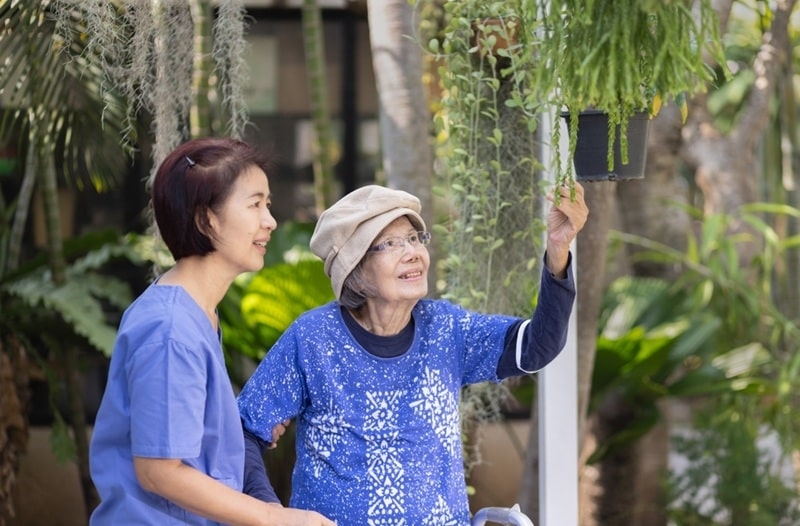
The psychological benefits of gardening can be enjoyed by people of all ages. Gardening can enhance the emotional intelligence, tolerance, and responsibility of adolescents. It is also an ideal screen-free activity for enhancing the cognitive development of the required age group.
In adults, gardening is applied with the intention of promoting mental wellness, thereby helping them cope with stress. For senior adults, gardening helps them by improving their mobility, enhancing their memory, and stabilizing their moods. Gardening is also practiced in rehabilitation centers for patients.
As gardening can be done irrespective of physical strength and space, gardening is inclusive and sustainable at all levels and at every stage of one’s life.
Resilience—the ability to bounce back from stressors and difficult conditions—and emotional wellness are closely tied. Gardening develops the skill of resilience by encouraging the acceptance of things that happen that are outside the control of the gardener.
Failure is also a part of gardening. If a plant is not doing well, it is a chance to practice self-compassion and not self-blame. It translates to regular life and also influences positive ways of coping with failure.
By actively participating in the process, gardening for mental health benefits the individual in that it enables them to develop coping mechanisms that promote long-lasting stability in their mental health.
The most important ingredient for mental wellness gardens is consistency over perfection. The aim is to enjoy the activity, regardless of the outcomes.
Adding gardening activities to your daily regimen can have an immense impact on your psychological well-being.
With time, gardening for mental well-being becomes a way of life for many people, as they find solace in such a healing hobby.
Gardening has more benefits beyond its aesthetic appeal; it is also a tool that brings powers of mental clarity, emotional strength, and inner tranquility. Using mental wellness gardening, people can manage anxiety, cope with depression, and boost emotional wellness.
Gardening as a form of nature therapy offers a connection to an important part of being human—to nurture and to be nurtured in return. Whether gardening is a stress reliever, a tool for managing stress and anxiety, or a way to offer a grounding experience on a daily basis, gardening for mental well-being offers a good solution that is based on growth and hope.
Gardening for mental health helps to reduce the production of the stress hormone cortisol and regulate the nervous system. Gardening activities can act as a simple nature remedy for stress relief by enhancing relaxation and sleep through mindful plant care practices.
This type of gardening relieves anxiety. This occurs due to practices that involve grounding. Plants that have been associated with the relief of anxiety include lavender and peace lilies.
Yes, gardening is actually one of the best self-help methods against depression as well as anxiety. This activity helps establish routine, gets you moving, and offers tangible progress that boosts motivation.
This content was created by AI