

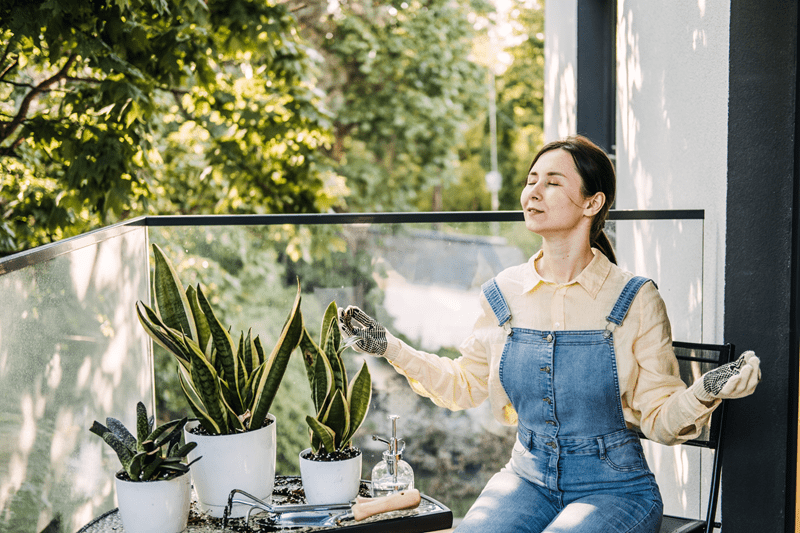
Garden therapy is a very effective, yet very simple, method that helps one's social and psychological health through frequent interaction with plants. The essence of this therapy is not farming or gardening but rather the healing that one gets from the nurturing of living things.
The primary feature of garden therapy, for those without prior knowledge, is that it can be practiced in any way desired. This manual is a step-by-step approach to joining the plant lovers' community and finding emotional stability through contact with plants.
Garden therapy has its roots in the human-nature connection theory. The therapy aims at giving people a calming effect by involving them in soothing activities like touching the earth, observing the growth of the living things they nurture, and being part of the natural cycles. Stress is, thus, eliminated from this approach.
People exploring therapeutic gardening at the most basic level often find that they are emotionally grounded through repetition and routine. They, therefore, learn the virtues of patience and also develop their spiritual presence. Slowly but surely, gardening is no longer a matter of tasks but more of a realization, thus leading to natural mental calmness.
Gardening deeply energizes one mentally and emotionally through the combination of gentle movement and mindful focus. The process of tending to plants very much inculcates present-mindedness in the doer, which in turn helps quiet down a bombarding thought process as well as emotional tension.
If you are stressing on emotional benefits alone, these would be the main ones:
Gardening is a perfect remedy for emotional imbalance, because it is not an exhausting activity.
One's approach to gardening should be with the correct mindset. The whole thing is not about being perfect or getting a lot done. It is a matter of care, patience, and self-compassion. Newbies in the field tend to feel that they should only do things "right," but garden therapy urges learning via one's own personal experience.
Getting the grip of therapeutic gardening basics means being prepared for the situations where plants may not thrive or grow slowly. Any result, whether good or bad, is part of the journey. When one lets go of expectations, he or she can then view gardening as his or her emotional safe haven rather than as a source of stress.
Choosing the right plants helps not only to build one’s confidence but also to keep the whole experience enjoyable. Tough plants need less care and are more tolerant of small mistakes, which is perfect for a beginner.
Those who want to start gardening should consider going for herbs, leafy greens, and low-maintenance indoor plants. Regular and steady growth is a strong motivation, and it also leads to better results. After some time, the confidence gained through successful plant care will enable one to trust him/herself and become more motivated.
Farmer's Corner must be a place that makes one feel comfortable and welcome. Size and decoration do not really matter. The most important thing is how it makes you feel emotionally.
When creating your space, think about:
Quite a number of people who are beginners in garden therapy agree that having a separate place for gardening acts as a relaxation and emotional safety trigger for them.
Therapeutic gardening is not about heavy, strenuous work but rather involves gentle, repetitive movements. Slowly watering the plants, removing dried leaves, and feeling the soil for moisture are some of the ways through which one can feel grounded.
Learning therapeutic gardening principles entails also understanding that some activities are soothing, while others can be exhausting. On days when energy is low, just observing can be a sufficient activity. Gardening is flexible enough to accommodate your emotional state rather than become an additional source of stress.
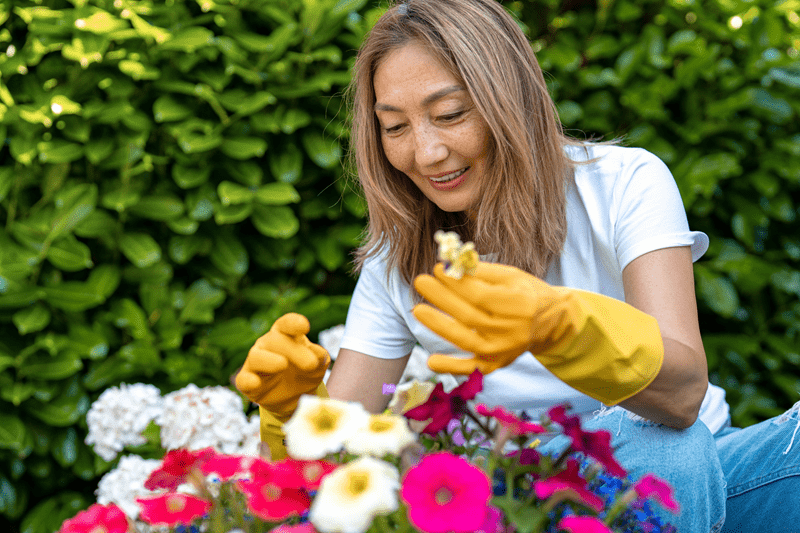
It is the small and regular nature habits that bring about lasting emotional benefits. Gardening can be quite short and still very effective. Only a few mindful minutes each day are enough to promote mental well-being.
Such habits help to focus attention on the present and also make gardening a natural part of everyday life.
Among the healing aspects of garden therapy, routine is the most powerful. Simple soothing routines provide the day with structure and, at the same time, flexibility. These routines serve as the emotional anchors supporting people through difficult times.
Watering in the morning can turn into a serene beginning of the day, whereas evening plant checks can help signal rest and reflection. Eventually, the body starts to link these instances with calm, thus, it indirectly supports the emotional value of beginner garden therapy.
Plants develop according to their own natural cycle; thus, they are always there to remind us that growth cannot be rushed. This is a very powerful teaching, which eventually leads to the development of patience and lessening of the tendency to be self-critical. When plants are struggling, it is a lesson in accepting rather than feeling like a failure.
Through therapeutic gardening basics, beginners learn that care does not guarantee immediate results. Such realization often becomes a metaphor for life, thus promoting self-compassion and emotional resilience.
Gardening may be a bridge to re-establish the lost bond with the natural world, even if one lives in urban areas or has a very small space. Watching changes in soil, leaves, and light helps one to be more aware of the natural cycles.
Treating plants as a way to connect with nature also serves as a reminder that cycles of growth, rest, and renewal are part of nature. This bond to nature can be a source of comfort in times of emotional turmoil or stress.
It is quite normal that motivation will not always be at the same level. When energy is low, one should resort to the simplest things. One plant, one task, or even quiet observation may be enough.
Those involved in gardening for beginners may keep their motivation by celebrating small achievements. The appearance of new leaves or soil becoming healthier is quite a significant accomplishment. The experience will be supportive and healing only if one is gentle with their own expectations.
Garden therapy is a slow, but sure and nurturing, way to emotional balance. Your plant care becomes a self-care act when done with patience and mindfulness.
It starts with intention and is nurtured by simple daily acts. Gradually, these moments of connection become the grounding practices that help you stay calm, resilient, and emotionally well.
Definitely, garden therapy is quite compatible with small areas through the use of potted plants, shelves, or windowsills.
Even 10–15 minutes is sufficient to gain calming benefits and establish routines.
The plant struggles are an integral part of the learning process. The emotional benefit comes from the process of care, not from flawless results.
Yes, gentle plant care that fosters mindfulness helps lower stress and promotes emotional stability.
This content was created by AI